

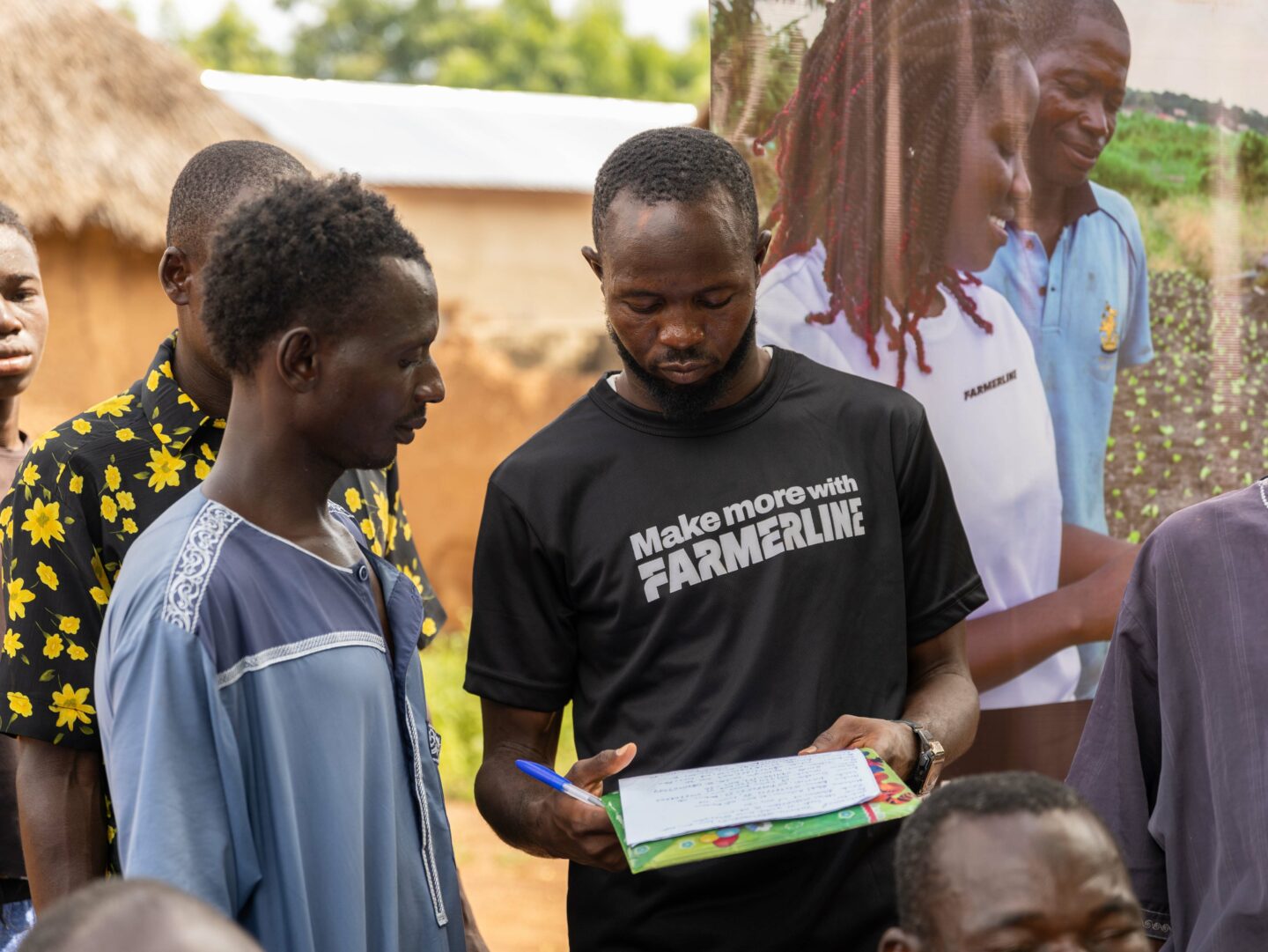
A Ghanaian-led agricultural technology company, Farmerline has disclosed that it deployed over $7 million within the past year to support farmers in Ghana and Cote D’Ivoire through input and asset financing, an intervention that aims to strengthen the agricultural value chain in the two countries.
Speaking at the launch of the Ghana Agriculture Fund for Education and Transformation (GAFET) on Tuesday, August 11, 2026, the financial controller of Farmerline, Bennet Nyasembi, emphasized that while financing remains critical, sustaining the agricultural sector demands a broader and more integrated approach, particularly investment in human capital and technology.
According to him, a resilient agricultural industry in Ghana depends not only on funding from development partners and government, but also on ensuring that skilled professionals are adequately equipped.
“If the people who are supposed to be sustaining the industry in which we are in don’t get the right funding, then what at all are we doing in this business?” Mr Nyasembi noted. How sustainable is it going to be if we get all the money coming from the development partners, from the government, and then people are not available to do the work?” He further queried.
The Farmerline Financial Controller’s remarks came amid growing concerns about labour shortages across the agricultural value chain. Farmers are increasingly reporting difficulties in accessing farmhands, agronomists, and tractor operators, key roles necessary for efficient production.
“We are struggling with farmhands these days, we are struggling with agronomists, we are struggling with tractor operators. I mean, basic things that will sustain the agricultural value chain.”
As one of the five founding members of GAFET, Farmerline indicated that its commitment towards the project goes beyond financial support, adding that it is strategically going to deploy technology and build capacity trainees within the sector. The company further said that it aims to create an enabling environment for professionals to grow and contribute meaningfully to agricultural development.
“When we were sold the idea, we embraced it. We are not only going to put in cash, but all the technology that’s available to us at Farmerline to ensure that this is sustainable. So it’s going to be a combination of all of this that we are going to provide,” he added.
The Financial Controller of Farmerline also underscored the need for Ghana to scale up its agricultural production to remain competitive globally.
While drawing a comparison with Brazil, Mr Nyasembi recounted how visiting Brazilian farmers were struck by the relatively small farm sizes in Ghana.
They compared the farm size in Ghana and compared the farm size in Brazil, it was clear we are kidding here, so we need to grow to that competitive level to make sure that all that we grow, all that we do here in Ghana meets certain standards that create lasting profit for our farmers and the people in the value chain,” he remarked.
Described as the continent’s Amazon for African farmers, Farmerline believes that improving productivity, adopting modern technologies, and investing in skills development will enable Ghanaian farmers to meet international standards and generate sustainable profits.
The company reaffirmed its commitment to supporting initiatives that promote growth across the agricultural value chain, stressing that collaboration between the private sector, government, and development partners remains key to transforming the sector.
“We are ready to support efforts that ensure agriculture in Ghana becomes more sustainable, competitive, and impactful,” Bennet Nyasembi said on behalf of the company.
Leveraging on technology for farmers, traders, aggregators, among others, Farmerline develops solutions to increase access to farmers even in the remotest areas and simplify transactions throughout the agricultural value chain.
About GAFET
The Ghana Agricultural Fund for Education and Transformation (GAFET), is a national endowment under the policy oversight of the Ministry of Food and Agriculture. It gathers contributions from government, agribusinesses, financial institutions, development partners, philanthropists and individuals into a professionally managed fund whose capital is preserved and invested, with annual returns financing approved priorities across Ghana’s agricultural education system.
