

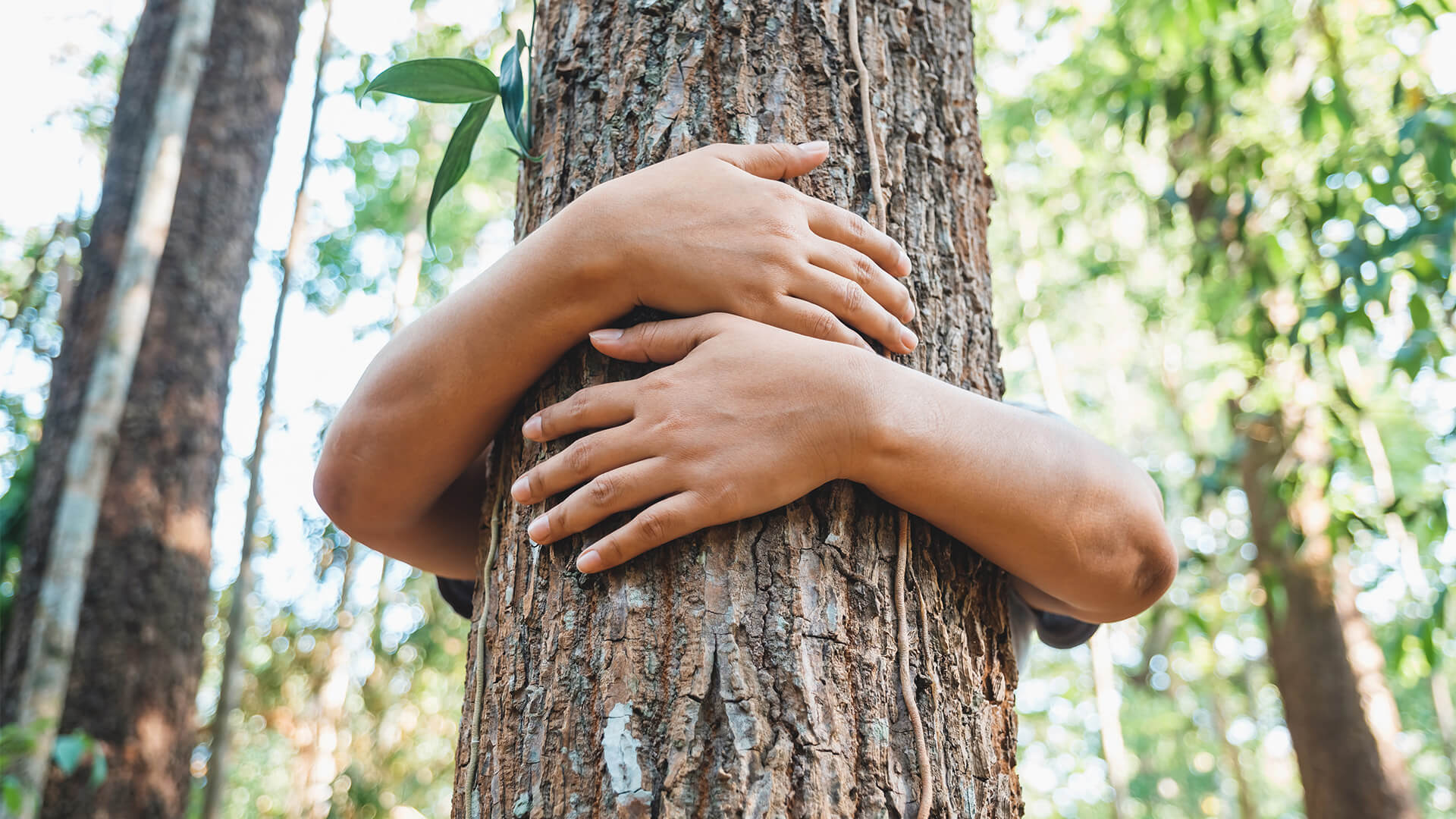
Climate change is one of the biggest environmental challenges of our time, and one of the most critical factors in mitigating its impact is forest protection. Forests play a crucial role in regulating the Earth’s climate by absorbing carbon dioxide (CO2) from the atmosphere and storing it in trees and soil. However, deforestation and forest degradation are major contributors to global greenhouse gas emissions, making forest protection a vital strategy in the fight against climate change.
Deforestation and forest degradation account for around 10% of global greenhouse gas emissions, making it the second-largest source after the energy sector. The destruction of forests also disrupts the water cycle, reduces biodiversity, and increases the risk of natural disasters like floods and landslides. Additionally, deforestation and forest degradation can cause a range of social and economic problems for communities that depend on forests for their livelihoods, including loss of income and food insecurity.
To address these challenges, forest protection must be a critical component of climate change mitigation strategies. Protecting existing forests, restoring degraded forests, and expanding forest cover can help to absorb CO2 from the atmosphere and reduce emissions from deforestation and forest degradation. Forest protection can also have co-benefits for biodiversity conservation, water regulation, and human well-being.
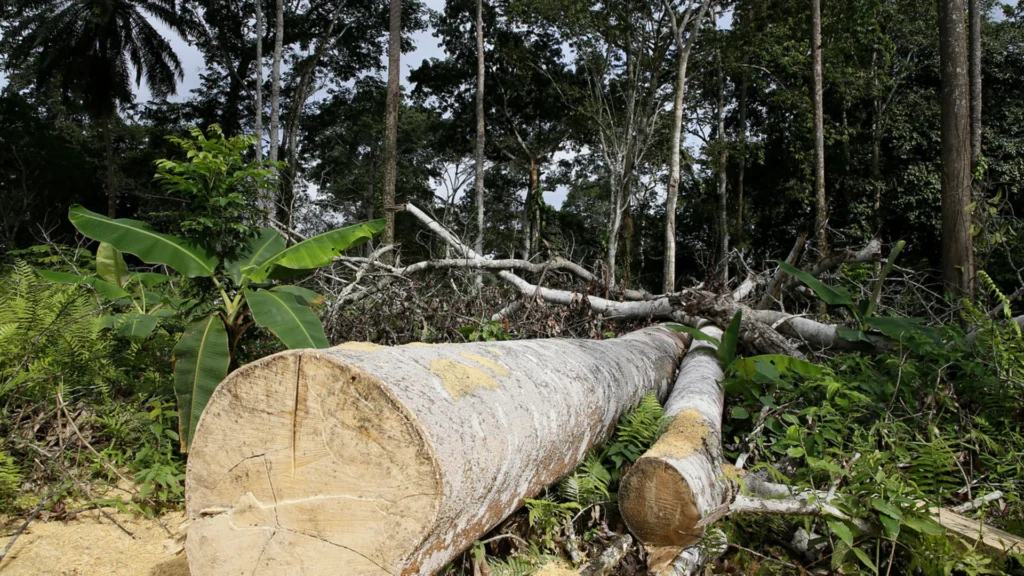
The United Nations Framework Convention on Climate Change (UNFCCC) has recognized the importance of forests in climate change mitigation and has developed several mechanisms to promote forest protection. One of these mechanisms is the Reducing Emissions from Deforestation and Forest Degradation (REDD+) program, which provides financial incentives to countries that reduce emissions from deforestation and forest degradation. REDD+ also supports forest conservation, restoration, and sustainable management, helping to create economic incentives for forest protection while also reducing emissions.
In addition to international efforts, national and local governments can also play a vital role in forest protection. Governments can implement policies and regulations to prevent deforestation and encourage sustainable forest management. They can also provide financial support for forest conservation and restoration, working with communities to ensure that local people benefit from forest protection and management.
Finally, individuals and businesses can also contribute to forest protection by reducing their carbon footprint and supporting sustainable forest products. Planting trees, reducing paper consumption, and choosing sustainable wood products can all help to support forest protection efforts.
In conclusion, protecting forests is a critical strategy for addressing climate change. Forest protection can help to absorb CO2 from the atmosphere, reduce emissions from deforestation and forest degradation, and provide co-benefits for biodiversity conservation, water regulation, and human well-being. By working together, governments, communities, and individuals can help to protect forests and mitigate the impact of climate change.

1 Comment
Nice one