Close Menu

    Subscribe to Updates

    Get the latest creative news from FooBar about art, design and business.

    What's Hot

    Ghana’s Inflation Slows, But Food Prices Remain Volatile Across Key Staples

    August 13, 2026

    Ghana Now Depends On 99% Imported Ginger – CSIR Research 

    August 13, 2026

    BoG Governor Challenges Banks to Support Agri-SMEs With Flexible Loan Packages

    August 13, 2026
    Facebook X (Twitter) Instagram
    Facebook X (Twitter) Instagram
    The Ghanaian Farmer
    Subscribe
    • Homepage
    • Agribusiness
    • AgriTech News
    • Livestock
    • Crops
    • Farmer’s Spotlight
    The Ghanaian Farmer
    Home » Ghana Now Depends On 99% Imported Ginger – CSIR Research 
    News

    Ghana Now Depends On 99% Imported Ginger – CSIR Research 

    SefakorBy SefakorAugust 13, 2026No Comments2 Mins Read
    Facebook Twitter Pinterest LinkedIn Tumblr WhatsApp VKontakte Email
    Share
    Facebook Twitter LinkedIn Pinterest Email

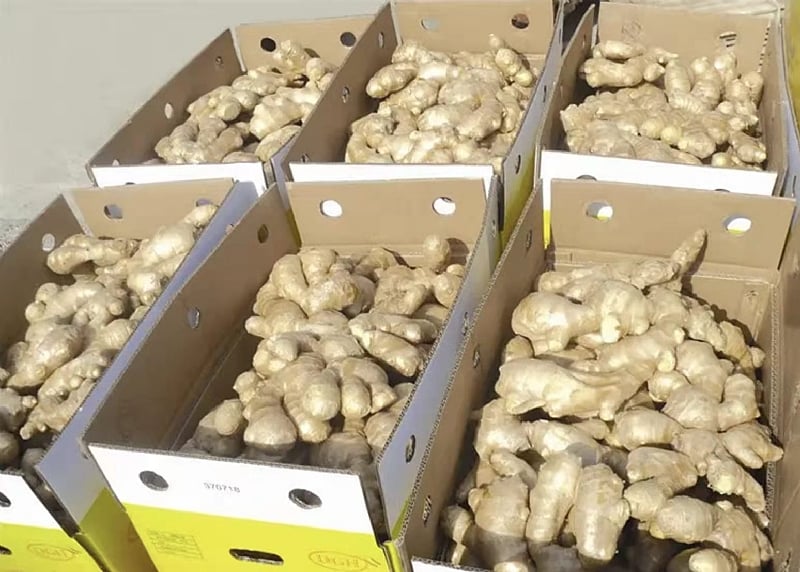
    Ginger is contributing to Ghana’s high import expenditure as the country now consumes 99 per cent of what used to be abundantly produced locally, now sourced from the international market, especially China. This is due to a disease that collapsed the sector, Council for Scientific and Industrial Research (CSIR) researchers have said, calling for a research-led recovery.

    According to a story by the Ghana News Agency, Scientists at CSIR said the country’s increasing dependence on imports is a result of weak seed systems, limited irrigation, poor soil health, disease pressure, and insufficient investment in horticultural research.

    They revealed this during the second session of the 2026 Ministry of Environment, Science, Technology and Innovation (MEST) Visibility Webinar Series, held virtually on the theme “CSIR’s Interventions on Tomato and Ginger”.

    Principal Research Scientist and vegetable breeder at the CSIR Crop Research Institute, Dr Michael Kwabena Osei, noted that national demand had risen from about 18,000 tonnes in 2020 to between 30,000 and 32,000 tonnes in 2025, but production collapsed after a bacterial wilt outbreak in 2022.

    The disease, caused by Ralstonia solanacearum and locally referred to as the “ginger killer”, reduced national production from about 102 tonnes to roughly 10 tonnes, leaving Ghana more than 99 per cent dependent on imported ginger.

    Ghana now spends about US$500,000 annually importing ginger, mainly from China, Nigeria and Burkina Faso, he added.

    The supply shock had driven prices sharply upward, with a sack of ginger rising from about GH¢250 in 2022 to GH¢4,000 in 2025 and about GH¢6,000 or more at the time of the webinar.

    Dr Osei noted that the disease was soil-borne, spread through infected planting material, poor drainage, heavy rains, monocropping and contaminated farm tools, and could not be chemically treated once a crop was infected.

    He stated that CSIR’s recovery plan for ginger rested on four pillars: development of resistant varieties, production of disease-free planting material through tissue culture, disease surveillance and integrated pest management, and farmer deployment through extension networks.

    Ms Matilda Frimpong, a ginger research scientist at CSIR-CRI, advised that growers should obtain certified rhizomes from certified companies or research institutions because the wilt pathogen was microscopic, soil-borne and could not be identified by sight.
    She noted that the most sustainable long-term control measure was breeding for resistance, beyond crop rotation and other cultural practices.

    Source: GNA

    Share this:

    • Share on Facebook (Opens in new window) Facebook
    • Share on X (Opens in new window) X

    Like this:

    Like Loading...
    Ghana CSIR Ginger
    Share. Facebook Twitter Pinterest LinkedIn Tumblr WhatsApp Email
    Previous ArticleBoG Governor Challenges Banks to Support Agri-SMEs With Flexible Loan Packages
    Next Article Ghana’s Inflation Slows, But Food Prices Remain Volatile Across Key Staples
    Sefakor
    • Website

    Related Posts

    Ghana’s Inflation Slows, But Food Prices Remain Volatile Across Key Staples

    August 13, 2026

    BoG Governor Challenges Banks to Support Agri-SMEs With Flexible Loan Packages

    August 13, 2026

    New Financing Approach Set To Produce Highly Skilled Agricultural Graduates

    August 12, 2026

    NPP Urges Prez Mahama Against Signing New Cocoa Board Bill

    August 10, 2026

    Leave a ReplyCancel reply

    Demo
    Our Picks

    Remember! Bad Habits That Make a Big Impact on Your Lifestyle

    January 13, 2021

    The Right Morning Routine Can Keep You Energized & Happy

    January 13, 2021

    How to Make Perfume Last Longer Than Before

    January 13, 2021

    Stay off Social Media and Still Keep an Online Social Life

    January 13, 2021
    • Facebook
    • Twitter
    • Instagram
    • YouTube
    • LinkedIn
    Don't Miss
    News

    Ghana’s Inflation Slows, But Food Prices Remain Volatile Across Key Staples

    By SefakorAugust 13, 20260

    The national inflation rate of 4.6% conceals important differences as the rate for some food…

    Share this:

    • Share on Facebook (Opens in new window) Facebook
    • Share on X (Opens in new window) X

    Like this:

    Like Loading...

    Ghana Now Depends On 99% Imported Ginger – CSIR Research 

    August 13, 2026

    BoG Governor Challenges Banks to Support Agri-SMEs With Flexible Loan Packages

    August 13, 2026

    Farmerline Commits Over $7 Million to Boost Agricultural Value Chain In Ghana And Cote D’Ivoire

    August 12, 2026

    Subscribe to Updates

    Get the latest creative news from SmartMag about art & design.

    About Us
    About Us

    The Ghanaian Farmer is Ghana’s leading agricultural news and advocacy platform, dedicated to informing, educating, and inspiring farmers and agribusiness stakeholders. We spotlight innovations, share success stories, and promote sustainable practices to strengthen Ghana and Africa’s food systems

    We're open to do busines with you and amplify your agriculture business.

    Email Us: info@theghanaianfarmer.com
    Contact: +233 554830431

    Our Picks

    Remember! Bad Habits That Make a Big Impact on Your Lifestyle

    January 13, 2021

    The Right Morning Routine Can Keep You Energized & Happy

    January 13, 2021

    How to Make Perfume Last Longer Than Before

    January 13, 2021
    New Comments
    • Joseph Kwesi Sarpong on John Dumelo Announce Sponsorship For 20 Young Farmers For Dry Season Tomato Production
    • Vincent Baku on Mahama Woos Young Entrepreneurs To Cocoa Production With Promise Of Attractive Producer Prices
    • John on Climate Change And The Need For Forest Protection In Ghana
    • Sefakor on Cashew Development In Ghana; What Has Changed? Nana Yaw Reuben writes
    Facebook X (Twitter) Instagram YouTube LinkedIn
    © 2026 The Ghanaian Farmer. Designed by AJ Willz Media.

    Type above and press Enter to search. Press Esc to cancel.

    %d