

Agriculture and agro-processing are expected to receive 50% of government’s plans to invest $2 billion annually over the next four years under the proposed $10 billion New Economy Programme to boost industrialisation, increase production, create jobs and position Ghana as a manufacturing and logistics hub for West Africa.
President John Mahama, while announcing the initiative, said the programme would channel investment into productive sectors of the economy and that, aside from 50% of the funding earmarked for agriculture and agro-processing, the remaining allocation would support industry and the infrastructure required to connect producers to markets.
The initiative is expected to strengthen local production, expand economic opportunities and support Ghana’s ambition to become a regional industrial centre largely driven by the agricultural sector.
President Mahama made the announcement on Thursday, October 15, 2026, during a sod-cutting event for the commencement of construction works on the Afienya Industrial Park.
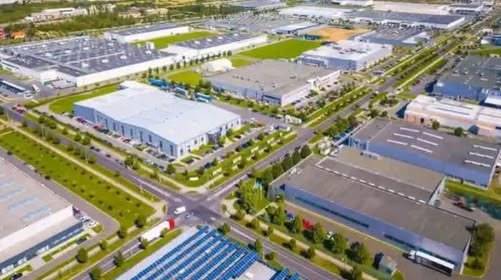
The 1,238-acre Afienya Industrial Park is designed as an eco-friendly, modern industrial hub; the enclave will host over 120 enterprises across high-impact sectors, including agribusiness, textiles, automotive assembly, and pharmaceuticals.
The project is expected to expand the country’s industrial capacity, attract investment and create employment opportunities.
He explained that the development was a strategic response to growing investor interest in Ghana and the limited space available at the Tema Export Processing Zone to accommodate new businesses.
With the start of the construction of this Afienya Industrial Park, we are creating space for businesses to establish and expand, for new industries to take root, and for more Ghanaians to secure productive and decent jobs,” President Mahama stated.
“With your support, we have stabilised the economy, but our next task is to turn that progress into greater production, higher incomes, and decent, sustainable jobs.”
Minister for Trade, Agribusiness and Industry, Elizabeth Ofosu-Adjare, who also chairs the Board of the Ghana Free Zones Authority, underscored the importance of securing land free from litigation to support industrial development.
Drawing on her 22 years of experience at the Bar, she said cooperation from traditional authorities and local communities deserved recognition, noting that access to undisputed land was critical to helping businesses establish factories, expand operations and avoid costly delays.
