

About 70,000 farmers operating under government’s Feed Ghana Programme (FGP) are expected to be linked to West Africa’s Agri-solution businesses, a move that seeks to transform the agricultural ecosystem.
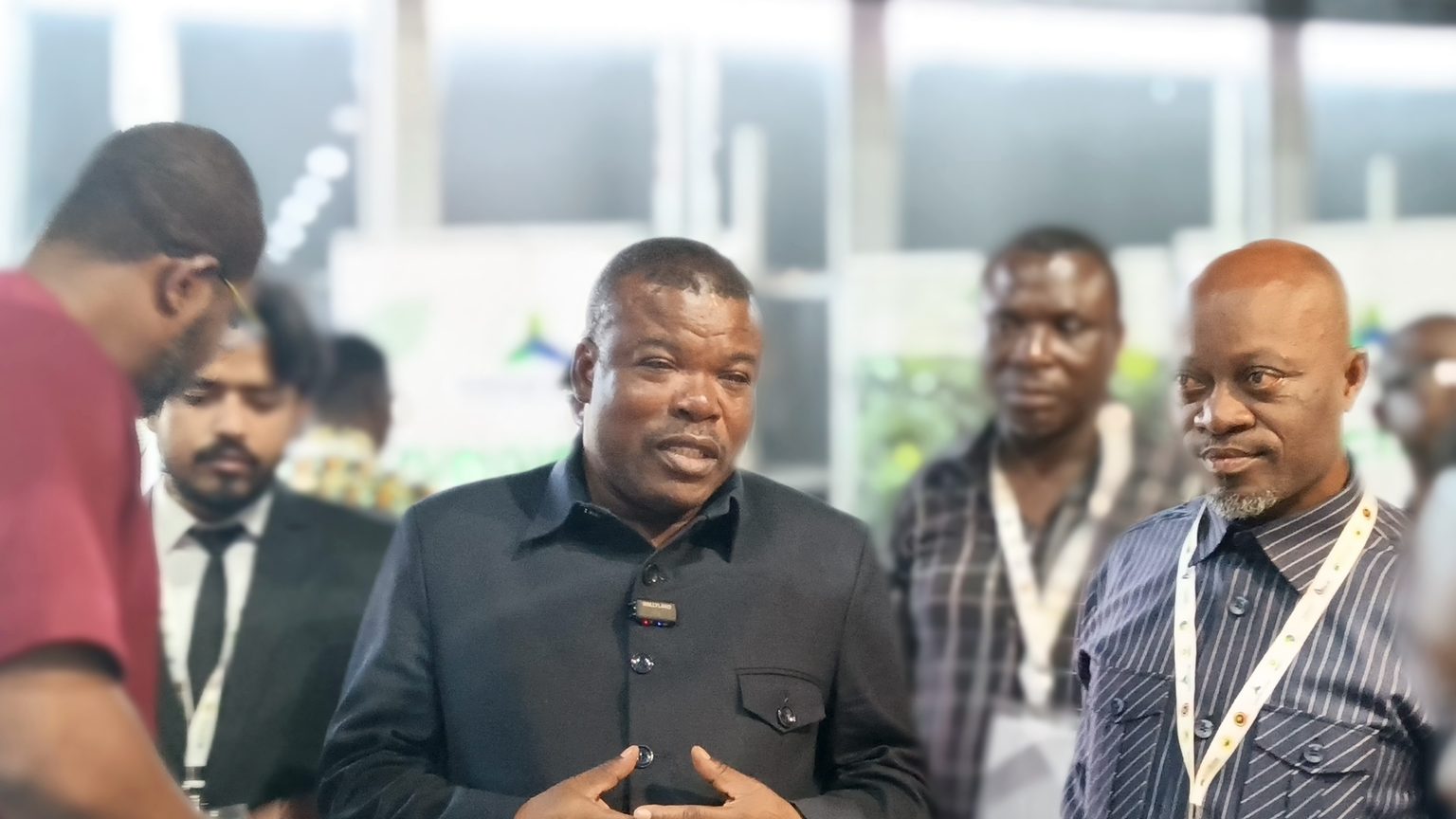
According to the National Coordinator, FGP at the Ministry of Food and Agriculture (MoFA), Bright Kwadzo Demordzi, the initiative will connect farm produce to storage facilities, manufacturing companies and other value chain businesses, to enhance food security and self-sufficiency.
He made this known at the just ended 2nd West Africa Agri Show, after inspecting several value chain products, services, and machinery in the agriculture sector, on Wednesday September, 30.
Demordzi observed that many of the technologies and solutions exhibited at the show addressed critical areas including productivity, irrigation and wealth creation, which aligned directly with the objectives of the Feed Ghana Programme.
“One of the major components of the Feed Ghana Programme is working directly with the farmers at the cooperative level. Currently, there are over 70,000 farmers in cooperatives across the country. So, we will collaborate and connect them to the solutions,” he said.
He said achieving agricultural transformation required specific interventions, including measures to increase productivity, promote crop development and reduce post-harvest losses, something the Feed Ghana Programme was doing.
Demordzi advised the agribusiness exhibitors to engage in practical field demonstrations and trials directly with farmers to prove their solutions’ efficacy to encourage stronger buy-in and lasting adoption.
He asked exhibitors and other stakeholders to prioritise farmers in the operations, adding that their profitability and ability to reduce post-harvest losses was the true measure of success.
He expressed confidence in the annual West Africa Agri Show saying it would grow to become a major market event for agriculture in the sub-region.
Country Director, Global Alliance for Improved Nutrition, Benin, Françoise Sayi, said value chain transformation needs to prioritised, adding that production alone was not enough for West Africa’s nutrition and food sustainability.
“Production alone is not enough. We must store, we must process, we must market and produce food so that nutritious, safe and affordable food reaches every household, every community member,” she advocated.
She commended the organisers for bringing together global expertise, technology, investment and partnerships in support of Africa’s agriculture and food security transformation.
She said the initiative has come at the right time to foster stronger South-South cooperation, helping to deepen knowledge and technology exchange among communities while mobilising the investment and partnerships required to build more resilient, sustainable and inclusive food systems.
Sayi urged the youth to develop interest in agriculture. “You have the power to transform the food system in West Africa today. The future of the food system in West Africa is not something to wait for, it is something you can build now.”
She noted that the Global Alliance for Improved Nutrition’s NourishNext West Africa initiative was being implemented through youth agrifood innovations strengthen fruits and vegetables value chain, reduce losses and improve access to nutritious foods.
Source: GNA
