

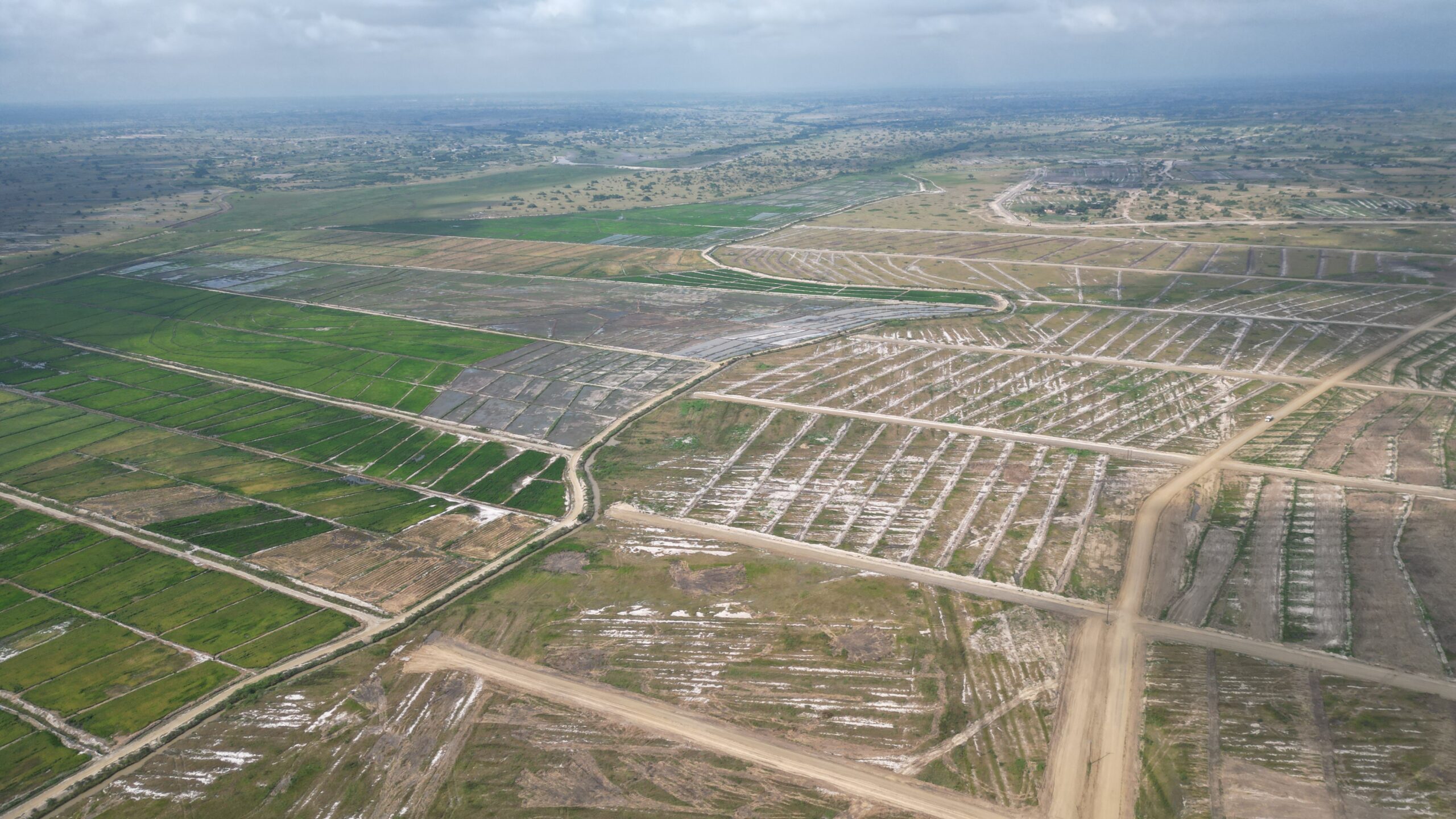
For decades, Ghana’s land tenure system has posed a major challenge to agricultural investment, but Agribusiness Strategist and farmer Kojo Akoto Boateng says this could change if the government takes practical measures to develop farming enclaves in towns and villages for rent.
While interest in farming and agribusiness is growing among Ghanaians, those who can secure parcels of land from chiefs find it difficult to develop them because of the high costs.
Boateng believes farming areas will be economically empowered through a system where there’s assurance of water, electricity and other amenities needed to make farming a successful venture.
“Ideally, every town or village must have serviced agricultural land that individuals and institutions can rent/lease for agricultural activities.
“The lands could be in 10 acre lots with access roads, electricity and water,” he wrote on Facebook.
According to him these agro-enclaves should be engineered to have businesses along the value chain that will have a presence to deliver services and input supply.
He further argues that a land size of about 2000 acres can become a goldmine for towns and villages where their economies can grow into millions of Cedis with thousands of jobs created.
“If we employ Industrial Ecology principles, we will be able to create small, medium and large scale eco-agro-industrial parks that will drive local production, responsible material consumption, job creation and GDP growth.”
Boateng believes Ghana is blessed with natural resources that can be developed, aiming at moving the country from heavily relying on taxation for revenue into a production hub.
“With thousands of rivers and streams in Ghana, millions of unemployed and willing hands and hearts, moving Ghana from taxation to production must be easy.
He used Bawjiase in the Greater Accra Region as a point of reference where there will be a mix of crops and livestock production.
“Imagine a 2000 acre eco-agro-industrial park around Bawjiase, with a good mix of vegetables, herbs, fruits, grains, livestock, fish farming, processing etc, with proper irrigation and access. This would add at least 30 million cedis to Bawjiase local economy and would create exciting opportunities,” Boateng explained.
With its favourable climate for food production, he said Ghana has everything it needs to create wealth from agriculture. What is required now is a strategic approach backed by political commitment and decisive implementation.
“We just need to be strategic and be innovative with our resources and agricultural industry to create wealth.”
According to him, investing in agro-parks with the right infrastructure can revive past initiatives intended to transform the agricultural sector to drive youth employment.
“Planting for Food and Jobs and the one district one factory (1D1F) programmes must be harmonised with investments going into production enablers.”
“1 Village, at least 1 eco-agro-industrial park”
“1 Town, at least 1 eco-agro-industrial park.”
The Agribusiness Strategist strongly emphasised that doing this will not come at a cost that Ghana cannot afford.
“It will not cost us an arm and a leg and we may not have to borrow to do this.
“What we need is already here!”
He also touched on the government’s Farmer Service Centres under the flagship Feed Ghana Programme, which is prioritising tomato, rice, maize and poultry production, among others.
“The Farmer Service Centres are great, but if we are situating them in communities without extensive land development and irrigation, la wu (it will not be successful)!”
Kojo Akoto Boateng, a strong agricultural advocate, is also a farmer who, in the last few years, has made some investments in agribusiness, including vegetables and fruit production, poultry, rice and running training and consultation services.
