Close Menu

    Subscribe to Updates

    Get the latest creative news from FooBar about art, design and business.

    What's Hot

    Poor Soils, High Yields: Cow Dung And Poultry Manure Driving Vegetable Production In Anloga

    September 28, 2026

    COCOBOD Increases Cocoa Farmgate Price To GH¢42,400 Ahead Of 2026/27 Season

    September 25, 2026

    Policy Contractions Blamed As Imports Stall Local Rice And Poultry Growth

    September 25, 2026
    Facebook X (Twitter) Instagram
    Facebook X (Twitter) Instagram
    The Ghanaian Farmer
    Subscribe
    • Homepage
    • Agribusiness
    • AgriTech News
    • Livestock
    • Crops
    • Farmer’s Spotlight
    The Ghanaian Farmer
    Home » Poor Soils, High Yields: Cow Dung And Poultry Manure Driving Vegetable Production In Anloga
    Agribusiness

    Poor Soils, High Yields: Cow Dung And Poultry Manure Driving Vegetable Production In Anloga

    SefakorBy SefakorSeptember 28, 2026No Comments3 Mins Read
    Facebook Twitter Pinterest LinkedIn Tumblr WhatsApp VKontakte Email
    Share
    Facebook Twitter LinkedIn Pinterest Email

    Even with the glaring risks the infertile soil posed, vegetable farmers in Anloga did not let it deter them from investing thousands of cedis in the soil.

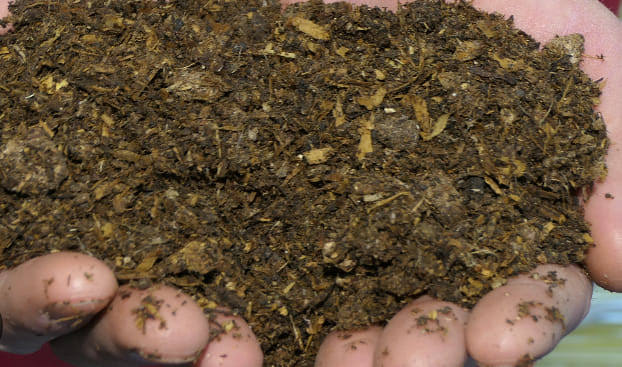
    They augmented the soil with cow dung and poultry manure brought from far and near to grow vegetables such as onions, tomatoes, okro, peppers, carrots, and lettuce, among others.

    Because irrigation like dugouts and sprinklers is common in Anloga, these vegetables are rotated to ensure efficient use of the land all-year.

    “The soil here is porous and has very low nutrients. So we depend on cow dung, poultry manure, and fertilisers just to make production possible,” Bright Adzrah, the owner of B. A Joco Farms and vegetable farmer explained.

    What is usually a waste in other parts of the country is one of the key drivers of commercial farming in Anloga, with a 50kg bag costing Gh¢30. A farmer needs about 50 bags each of poultry and cow manure on an acre.

    Access is not a challenge.

    “There are warehouses with stocks of cow dung and poultry manure here,” Adzrah told the Ghanaian Farmer.

    Tomato Production Is A Big Deal

    There are about 28,000 farmers in Anloga District. 18,000 to 22,000 of them produce tomatoes every year.

    Farmers are currently harvesting through to the end of October.

    The situation around this period is usually a glut, but the 2025/2026 season has seen some improvements, as some of the farmers are utilising social media to sell their harvests instead of waiting for traders to arrive with the boxes.

    A visit to the area on Thursday, September 24 found thousands of boxes and baskets of harvested tomatoes. But there were buyers who were also on site, bargaining with the farmers.

    At the time, the price for a basket was Gh¢300 to Gh¢350 depending on the variety and Gh¢1,200 and Gh1,400 for the box.

    “From next week, the price may start going up again. That’s the nature of the tomato farming business. Some farmers observe the timing before planting in order not to meet the glut,” Adzrah explained.

    Even though tomato farming in Angloga is capital-intensive, it is profitable. Farmers estimate production costs at between GH¢40,000 and GH¢45,000 per acre, largely driven by expensive hybrid seeds, fertilisers, and soil amendments.

    “Despite these costs, yields can reach 15 to 18 tonnes per acre, depending on agronomic practices and seed quality.”

    “You can make up to 53 per cent per cycle, depending on input efficiency and market prices.

    Farming is very competitive, with access becoming a major constraint for expansion.
    Land access, they said, is now determined by financial capacity rather than farming need, limiting youth participation and smallholder expansion.

    “The land here is very competitive. Some people with more money come and take land from others. So if we don’t strategise, it will be difficult for small farmers to survive,” Adzrah said.

    Share this:

    • Share on Facebook (Opens in new window) Facebook
    • Share on X (Opens in new window) X

    Like this:

    Like Loading…
    Anloga District Cow Dung Poultry Manure Vegetable Production
    Share. Facebook Twitter Pinterest LinkedIn Tumblr WhatsApp Email
    Previous ArticleCOCOBOD Increases Cocoa Farmgate Price To GH¢42,400 Ahead Of 2026/27 Season
    Sefakor
    • Website

    Related Posts

    Local Farmers Sidelined As Ghanaian Powdered Pepper Brands Import Raw Materials From India 

    September 22, 2026

    New Financing Scheme Targets Tomato Self-Sufficiency For Ghana

    September 16, 2026

    Anloga Farmer’s Story Highlights Urgent Need For Climate-Resilient Tomato Seeds For All-Year Production

    September 8, 2026

    The Quality Problem That Forced Ghanaian Mango Exporter To Own Farm

    September 2, 2026

    Leave a ReplyCancel reply

    Demo
    Our Picks

    Remember! Bad Habits That Make a Big Impact on Your Lifestyle

    January 13, 2021

    The Right Morning Routine Can Keep You Energized & Happy

    January 13, 2021

    How to Make Perfume Last Longer Than Before

    January 13, 2021

    Stay off Social Media and Still Keep an Online Social Life

    January 13, 2021
    • Facebook
    • Twitter
    • Instagram
    • YouTube
    • LinkedIn
    Don't Miss
    Agribusiness

    Poor Soils, High Yields: Cow Dung And Poultry Manure Driving Vegetable Production In Anloga

    By SefakorSeptember 28, 20260

    Even with the glaring risks the infertile soil posed, vegetable farmers in Anloga did not…

    Share this:

    • Share on Facebook (Opens in new window) Facebook
    • Share on X (Opens in new window) X

    Like this:

    Like Loading…

    COCOBOD Increases Cocoa Farmgate Price To GH¢42,400 Ahead Of 2026/27 Season

    September 25, 2026

    Policy Contractions Blamed As Imports Stall Local Rice And Poultry Growth

    September 25, 2026

    New Producer Price For Cocoa To Be Announced Today

    September 25, 2026

    Subscribe to Updates

    Get the latest creative news from SmartMag about art & design.

    About Us
    About Us

    The Ghanaian Farmer is Ghana’s leading agricultural news and advocacy platform, dedicated to informing, educating, and inspiring farmers and agribusiness stakeholders. We spotlight innovations, share success stories, and promote sustainable practices to strengthen Ghana and Africa’s food systems

    We're open to do busines with you and amplify your agriculture business.

    Email Us: info@theghanaianfarmer.com
    Contact: +233 554830431

    Our Picks

    Remember! Bad Habits That Make a Big Impact on Your Lifestyle

    January 13, 2021

    The Right Morning Routine Can Keep You Energized & Happy

    January 13, 2021

    How to Make Perfume Last Longer Than Before

    January 13, 2021
    New Comments
    • Joseph Kwesi Sarpong on John Dumelo Announce Sponsorship For 20 Young Farmers For Dry Season Tomato Production
    • Vincent Baku on Mahama Woos Young Entrepreneurs To Cocoa Production With Promise Of Attractive Producer Prices
    • John on Climate Change And The Need For Forest Protection In Ghana
    • Sefakor on Cashew Development In Ghana; What Has Changed? Nana Yaw Reuben writes
    Facebook X (Twitter) Instagram YouTube LinkedIn
    © 2026 The Ghanaian Farmer. Designed by AJ Willz Media.

    Type above and press Enter to search. Press Esc to cancel.

    %d