

As part of initiatives to achieve food security and safety, the World Food Programme (WFP) has supported some indigenous food processing companies in Ghana to produce safe and nutritious foods.
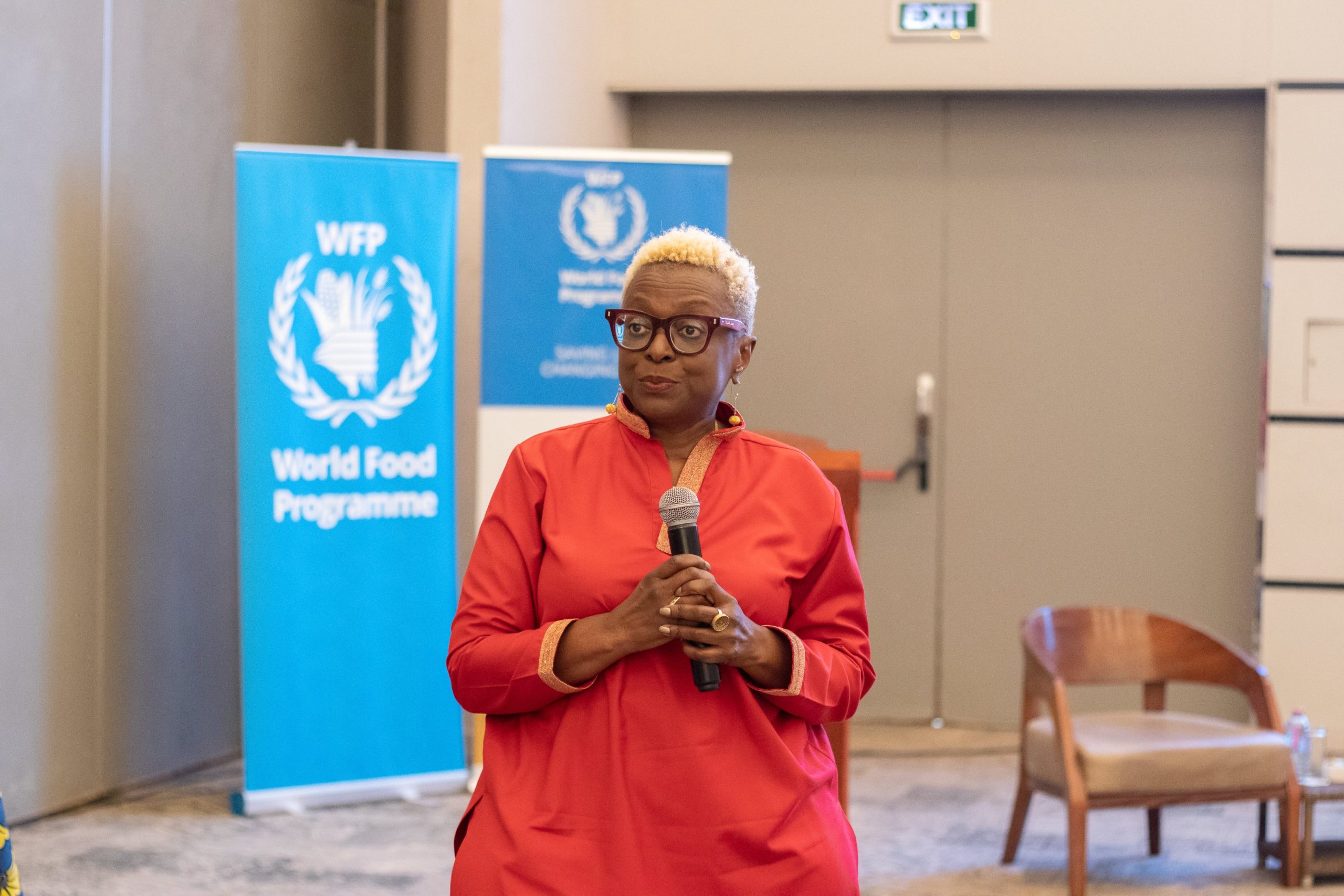
According to the Country Director of the WFP, Barbara Clemens, the global food management institution, has a long-term plan that will lead to the African continent producing and supplying more than half of the crucial nutritious food products required for their programmes.
“WFP is working to address by supporting the production, processing, and distribution of a diversity of foods, including grains, cereals, pulses, fortified, vegetable oils, and specialized nutritious foods such as fortified cereal blends, fortified peanut butter,” and others, a media release said.
Ms Clemens during a five-day retreat on food safety and quality also indicated that the WFP was supporting two industrial food processors; Premium Foods Ltd in Kwaso in the Ashanti region and Yedent Agro Group of Companies in Sunyani while developing global-level food safety and quality management systems.
She further disclosed that one of the companies already exports life-saving nutritious food to some vulnerable countries such as Afghanistan while manufacturing quality and nutritious foods for the local market.
“We’re bringing together a group of experts not only from Ghana but from other regions of WFP as well as the private sector to discuss food safety and food quality. In the Ghana context, we work closely with FDA. Our operation here in Ghana is specifically related to development but also supporting Ghana’s government Ghana Beyond Aid initiative which focuses mainly on the purchase of food locally. If you’re purchasing food to be distributed to vulnerable people, food safety and quality are key,” the WFP Country Director told journalists.
Besides, Madam Barbara Clemens said the WFP in partnership with the Food and Drugs Authority (FDA), is in the process of commissioning three other food processing companies where they will produce nutritious cereal blends and other local foods to meet the nutritious needs of Ghanaians.
The WFP says it is also in the process of building multi-user agro-processing facilities for different types of foods under its country-specific strategic plan between 2024 and 2028.
Meanwhile, the Deputy Chief Executive Officer of the FDA, Roderick Kwabena Daddey-Adjei, underscored the significance of food and nutrition in fostering good health and a thriving community, while also contributing to the achievement of the Sustainable Development Goals (SDGs).
While recognizing the challenges faced by the African continent due to economic hardships resulting from conflicts, natural disasters, and climate change, Mr Daddey-Adjei admitted the pivotal role of the WFP in assisting the continent in attaining food security.
He commended the WFP for starting the various initiatives including its support for the national school feeding program.
Meanwhile, the food safety regulatory body has implemented a comprehensive policy and an innovative licensing system to ensure the supply of healthy and nutritious food to consumers. This scheme is designed to assist local industries in producing food products under hygienic conditions, thereby promoting food safety standards.
“The policy actually ensures that the various agencies that handle food regulation in Ghana are mandated by the policy to work together and the areas of working are clearly defined,” Mr Daddey-Adjei said.
Participants of the five-day retreat are made up of experts in food safety and quality from Africa and other parts of the world. They deliberated on best practices for promoting local sourcing of safe and healthy food products in countries the programme exists.
They also discussed the importance of food standards in regulating food safety in developing countries where there are challenges in policy frameworks.
Meanwhile, the Food Safety Quality Chief of the World Food Programme, Virginia Siebenrok, also explained the importance of the retreat which deliberated on the challenges, and knowledge sharing that support the WFP’s visions for food safety.
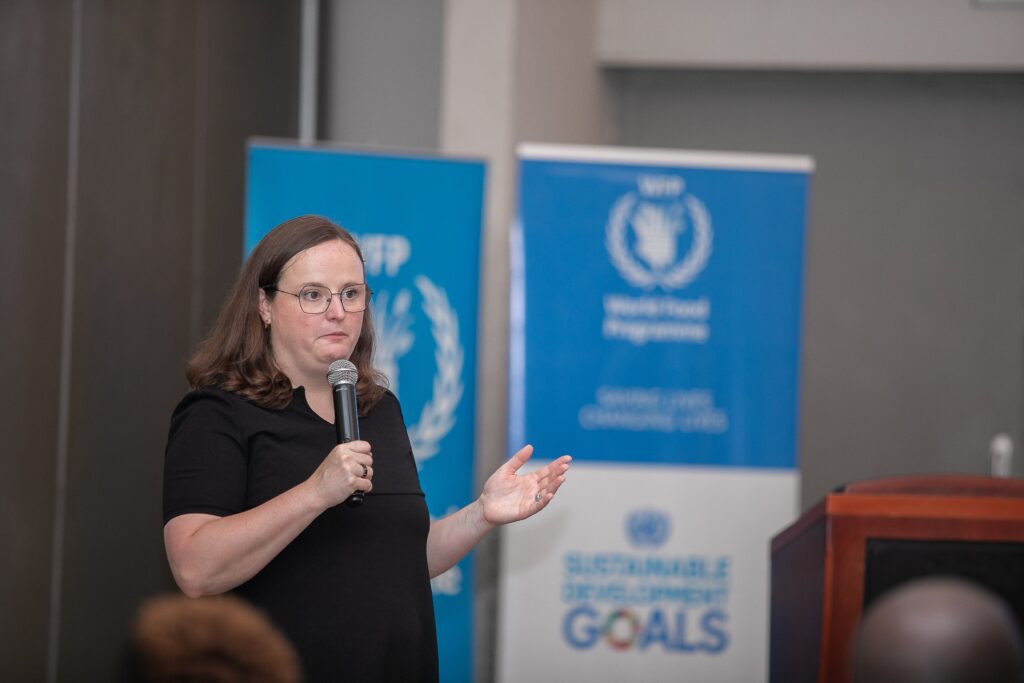
“We’re taking the opportunity to benchmark, network and set the scene for the future. Our operations have greatly increased and we need to rewire and re-discuss how we can work as a team to make sure that we continue to provide food now on a much larger scale,” she said.
The aftermath of the retreat is expected to foster strategic collaboration and dialogue among key stakeholders for food safety and quality on the African continent; an agreed vision for food safety and quality and shared strategic direction which will produce a continental synergy in tackling the common and prevailing food safety issues.
