

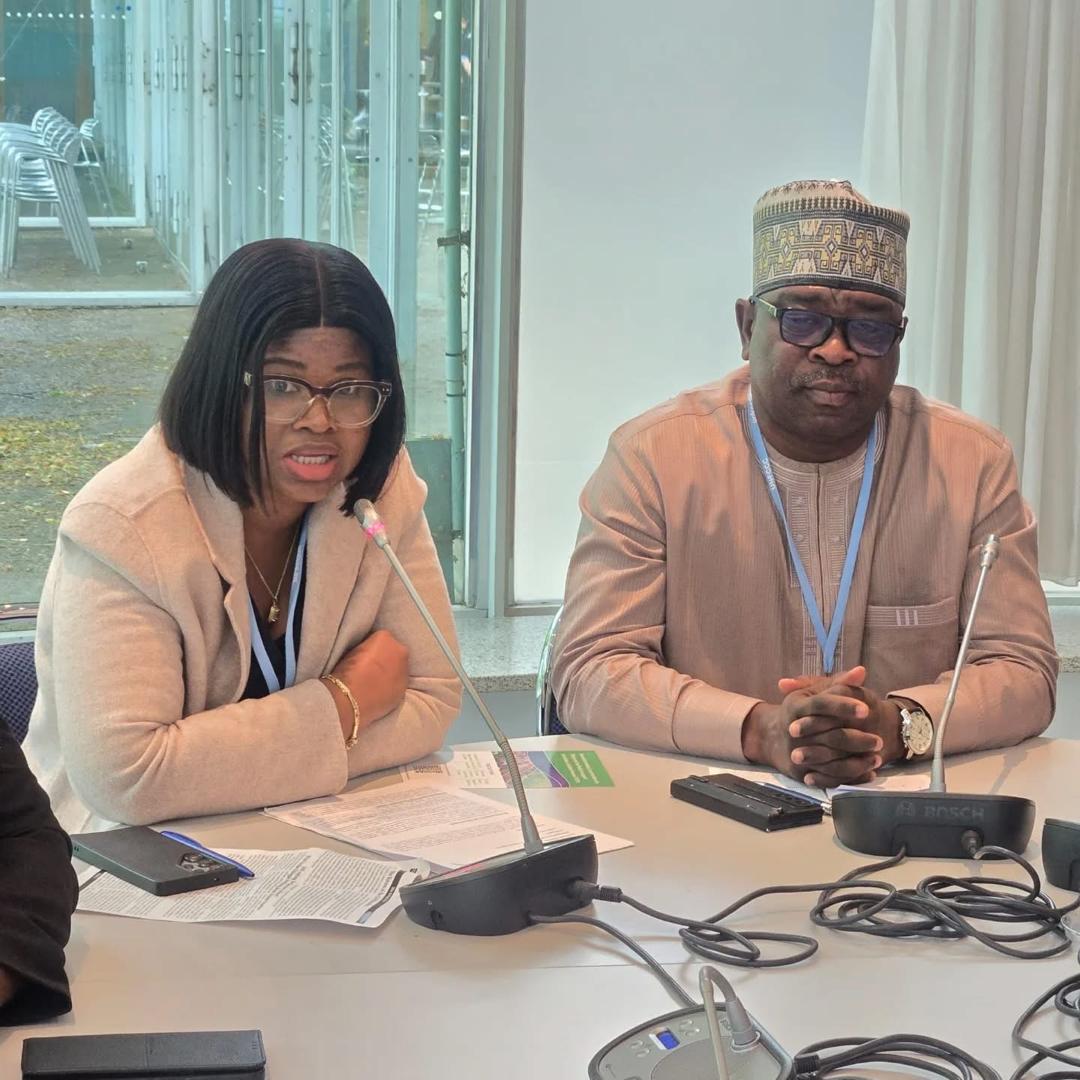
The Minister of State for Climate Change and Sustainability, Seidu Issifu has reaffirmed government’s commitment to strengthening climate governance and improving coordination between Ghana’s climate negotiators, technical experts, and state institutions.
He said the move is aimed at enhancing Ghana’s leadership role within Africa’s climate diplomacy architecture and ensuring that outcomes from international climate negotiations translate into practical national action.
The Minister made the remarks during a strategic engagement on the sidelines of the 64th Session of the United Nations Framework Convention on Climate Change (UNFCCC SB64) on June 12, 2026 in Bonn, Germany. The meeting brought together Ghana’s climate negotiating team and members of the country’s diplomatic mission, including the Deputy Head of Mission, Ms. Francisca Patoah Gyarko, and Nana Dr. Antwi-Boasiako, Chair of the African Group of Negotiators (AGN).
The discussions focused on reviewing Ghana’s climate diplomacy efforts and identifying practical steps to strengthen collaboration between negotiators and domestic institutions responsible for implementing climate-related policies.
A major concern raised by participants was the persistent gap between international negotiations and national policy execution. While Ghana’s negotiators often return with critical technical insights and agreed outcomes from global climate platforms, there are concerns that limited institutional follow-through slows down their integration into national decision-making processes.
Participants also stressed the need for improved coordination and faster communication across government agencies, especially as Ghana assumes a more visible leadership role through the AGN Chairmanship. They warned that delays in responding to emerging climate opportunities could weaken the country’s influence and impact.
Mr Issifu emphasized that stronger coordination and timely implementation of climate decisions are essential not only for environmental protection but also for boosting agricultural productivity and strengthening food security.
Effective climate action will help Ghana build more resilient farming systems, improve soil health, and reduce the risks posed by droughts and erratic rainfall patterns; ultimately contributing to sustainable food production and national development.
The engagement shared commitment to streamline climate decision-making processes and ensure that Ghana’s international leadership in climate diplomacy delivers tangible benefits for citizens.
