Close Menu

    Subscribe to Updates

    Get the latest creative news from FooBar about art, design and business.

    What's Hot

    The Quality Problem That Forced Ghanaian Mango Exporter To Own Farm

    September 2, 2026

    $270M Poultry Investment Targets 50,000 Tonnes Of Local Chicken Annually

    September 2, 2026

    Inside Govt’s $270M Poultry Plan: Where Do Local Farmers Fit In?

    August 31, 2026
    Facebook X (Twitter) Instagram
    Facebook X (Twitter) Instagram
    The Ghanaian Farmer
    Subscribe
    • Homepage
    • Agribusiness
    • AgriTech News
    • Livestock
    • Crops
    • Farmer’s Spotlight
    The Ghanaian Farmer
    Home » The Quality Problem That Forced Ghanaian Mango Exporter To Own Farm
    Agribusiness

    The Quality Problem That Forced Ghanaian Mango Exporter To Own Farm

    SefakorBy SefakorSeptember 2, 2026No Comments3 Mins Read
    Facebook Twitter Pinterest LinkedIn Tumblr WhatsApp VKontakte Email
    Share
    Facebook Twitter LinkedIn Pinterest Email

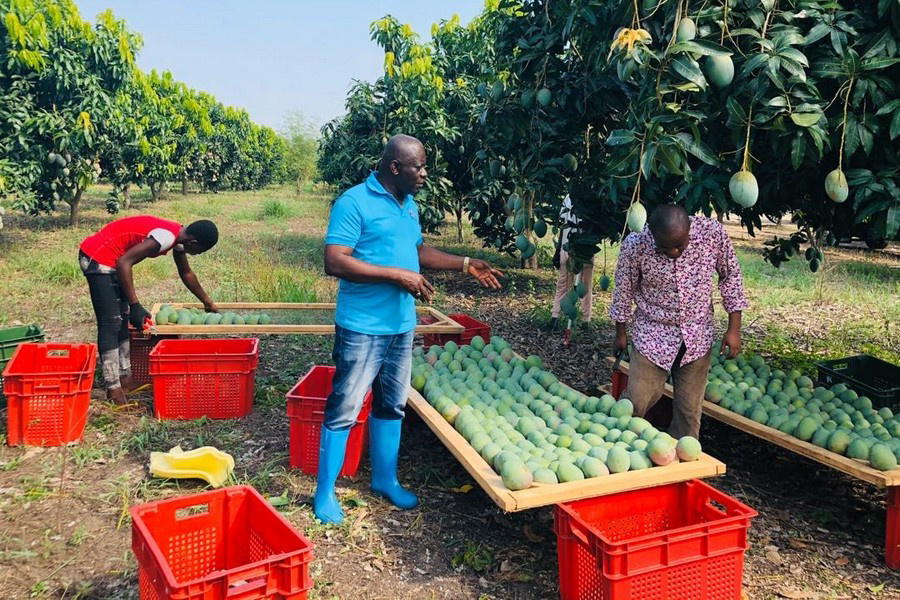
    They turned disappointments into business restructuring, becoming producers of exportable mangos that they used to struggle to get from individual farmers.

    For years, MakolaHub was exporting mangoes sourced from independent growers in Ghana, but decided on a more direct approach to production to meet international market standards.

    After starting its own small mango farm in 2021, the first commercial harvest has begun, says Alex Kravecas of MakolaHub.

    “In 2019, we were aggregating mangoes from independent farmers for export. One of the biggest lessons we learned was how difficult it was to consistently produce the quality required by premium overseas buyers when we did not control the farm itself.”

    With proper agronomy practices, the company is confident of meeting the requirements the buyers demand.

    “In 2021, we decided to take a different approach and established our own small mango farm in Ghana, designed specifically for the high-quality airfreight export market. This year is particularly exciting for us because we are beginning our first season of commercial fruit production.”

    MakolaHub is deliberately investing in limited farm size, with the focus on quality and consistency rather than maximising volumes.

    “The farm is intentionally small and focused. At full production, we expect approximately 30 tonnes per year, and we grow exclusively Kent mangoes,” Kravecas explains.

    “Rather than maximising volume, our objective has been to see how consistently we can produce premium-quality fruit through much tighter control of agronomy, including regular soil testing and management, a disciplined crop-protection and spraying program, and close attention to fruit quality throughout the growing cycle.”

    According to Kravecas, MakolaHub has also been testing a dwarfing rootstock as part of effectively managing the farm.

    “We have also been testing the Israeli 13-1 dwarfing mango rootstock, to maintain smaller, more manageable trees that are easier to spray, prune and harvest while producing high-quality export fruit.”
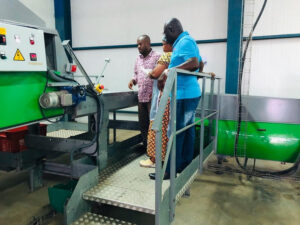

    In the long term, MakolaHub intends to use its farm to demonstrate what could be a boost for Ghana’s mango sector when growing practices are geared towards premium export markets.
    “Ultimately, we hope the farm can serve as a model for what Ghanaian mango production can become,” he says.

    “Ghana has some significant natural advantages for the premium export market: it is considerably closer to Europe and the Middle East than South American origins, and it has two natural mango production windows each year, approximately December to January and May through July.”

    The company sees the combination of these production windows and Ghana’s location as an opportunity to strengthen its position in the international mango trade.

    “Our hope is to demonstrate that, with the right farm management and attention to quality, Ghana can become a much stronger competitor in the international premium mango market,” Kravecas says.

    “For MakolaHub, reaching the first commercial harvest also marks the latest stage in a process that began with sourcing fruit from independent growers,” Kravecas concludes.

    For more information:
    Alex Kravecas
    MakolaHub
    Tel: +1 201 394 0368 (US)
    Tel: +233 548 762 162 (GH)
    akravecas@makolahub.com
    www.makolahub.com/

    Share this:

    • Share on Facebook (Opens in new window) Facebook
    • Share on X (Opens in new window) X

    Like this:

    Like Loading...
    MakolaHub Mango
    Share. Facebook Twitter Pinterest LinkedIn Tumblr WhatsApp Email
    Previous Article$270M Poultry Investment Targets 50,000 Tonnes Of Local Chicken Annually
    Sefakor
    • Website

    Related Posts

    $270M Poultry Investment Targets 50,000 Tonnes Of Local Chicken Annually

    September 2, 2026

    Inside Govt’s $270M Poultry Plan: Where Do Local Farmers Fit In?

    August 31, 2026

    Ghana Positions Gari As Key Export In African Trade Expansion

    August 31, 2026

    Why Ghanaian Farmers Must Get Higher Prices: The Case for Traceability – Business Coach Ayison Writes

    August 27, 2026

    Leave a ReplyCancel reply

    Demo
    Our Picks

    Remember! Bad Habits That Make a Big Impact on Your Lifestyle

    January 13, 2021

    The Right Morning Routine Can Keep You Energized & Happy

    January 13, 2021

    How to Make Perfume Last Longer Than Before

    January 13, 2021

    Stay off Social Media and Still Keep an Online Social Life

    January 13, 2021
    • Facebook
    • Twitter
    • Instagram
    • YouTube
    • LinkedIn
    Don't Miss
    Agribusiness

    The Quality Problem That Forced Ghanaian Mango Exporter To Own Farm

    By SefakorSeptember 2, 20260

    They turned disappointments into business restructuring, becoming producers of exportable mangos that they used to…

    Share this:

    • Share on Facebook (Opens in new window) Facebook
    • Share on X (Opens in new window) X

    Like this:

    Like Loading...

    $270M Poultry Investment Targets 50,000 Tonnes Of Local Chicken Annually

    September 2, 2026

    Inside Govt’s $270M Poultry Plan: Where Do Local Farmers Fit In?

    August 31, 2026

    Key Investments Behind COCOBOD’s GH¢5.1 Profit Turnaround

    August 31, 2026

    Subscribe to Updates

    Get the latest creative news from SmartMag about art & design.

    About Us
    About Us

    The Ghanaian Farmer is Ghana’s leading agricultural news and advocacy platform, dedicated to informing, educating, and inspiring farmers and agribusiness stakeholders. We spotlight innovations, share success stories, and promote sustainable practices to strengthen Ghana and Africa’s food systems

    We're open to do busines with you and amplify your agriculture business.

    Email Us: info@theghanaianfarmer.com
    Contact: +233 554830431

    Our Picks

    Remember! Bad Habits That Make a Big Impact on Your Lifestyle

    January 13, 2021

    The Right Morning Routine Can Keep You Energized & Happy

    January 13, 2021

    How to Make Perfume Last Longer Than Before

    January 13, 2021
    New Comments
    • Joseph Kwesi Sarpong on John Dumelo Announce Sponsorship For 20 Young Farmers For Dry Season Tomato Production
    • Vincent Baku on Mahama Woos Young Entrepreneurs To Cocoa Production With Promise Of Attractive Producer Prices
    • John on Climate Change And The Need For Forest Protection In Ghana
    • Sefakor on Cashew Development In Ghana; What Has Changed? Nana Yaw Reuben writes
    Facebook X (Twitter) Instagram YouTube LinkedIn
    © 2026 The Ghanaian Farmer. Designed by AJ Willz Media.

    Type above and press Enter to search. Press Esc to cancel.


    Loading Comments...
     

      %d