

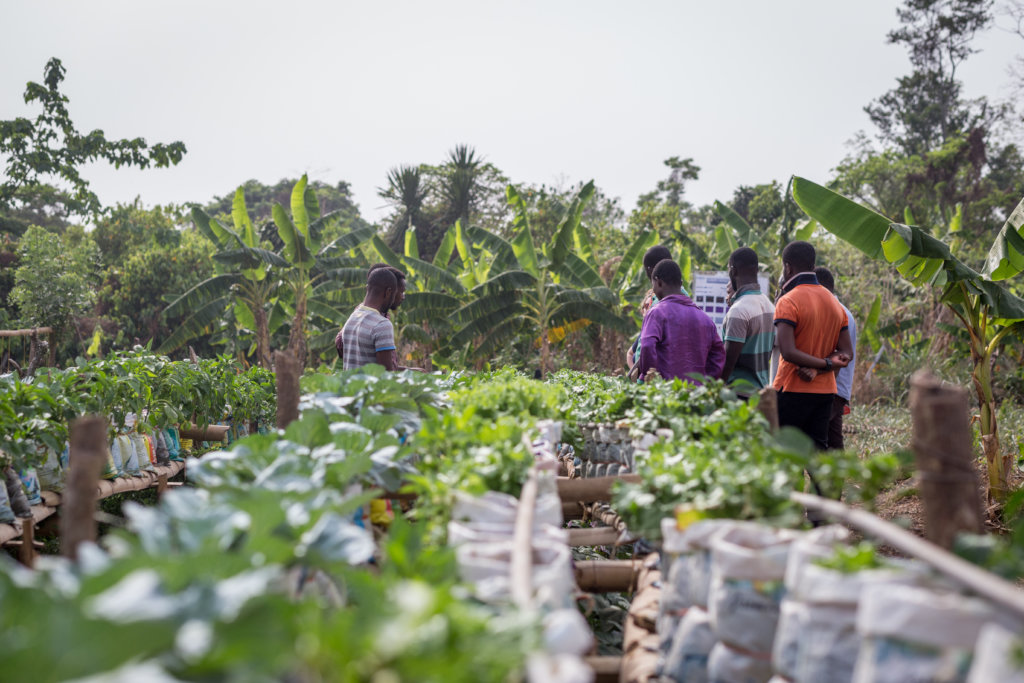
Food production in Africa is expected to see transformation as the Bill & Melinda Gates Agricultural Innovations (Gates Ag One) has announced a $35 million investment in support of a Cambridge University-led project aimed at developing self-fertilizing crops for African farmers.
The grant will take care of the Engineering Nitrogen Symbiosis for Africa (ENSA) research programme over the next five years, with a focus on improving nutrient uptake by food plants to reduce the need for fertilizer across some of the world’s most degraded land.
While unveiling the grant, CEO of Gates Ag One, Joe Cornelius, said “the pioneering work of ENSA is fundamental to levelling the playing field for smallholder farmers in Africa, leveraging the latest crop technology to ensure all communities have the chance to thrive.”
“Breakthrough advances in crop science and innovation mean intractable challenges like nutrient uptake and soil health need not hold back agricultural development. We’re delighted that Gates Ag One can support ENSA to continue its work to meet the needs of smallholder farmers,” he added.
According to the United Nations, as much as 65% of productive land in Africa is considered degraded, resulting in crop yields that are only around a third of the global average.
Africa, which accounts for just 4% of world fertilizer consumption, has a large number of smallholder farmers for whom fertilizer is frequently an expensive and inaccessible resource. Due to the ongoing conflict in Ukraine, prices for the fertiliser that Africa purchases from Russia have increased by up to 150%.
Therefore, developing crops that are better able to absorb nutrients naturally would raise yields automatically without the use of fertilizer.
The natural processes by which fungi and bacteria assist crops in converting more nutrients from the soil are being maximized by ENSA plant breeders.
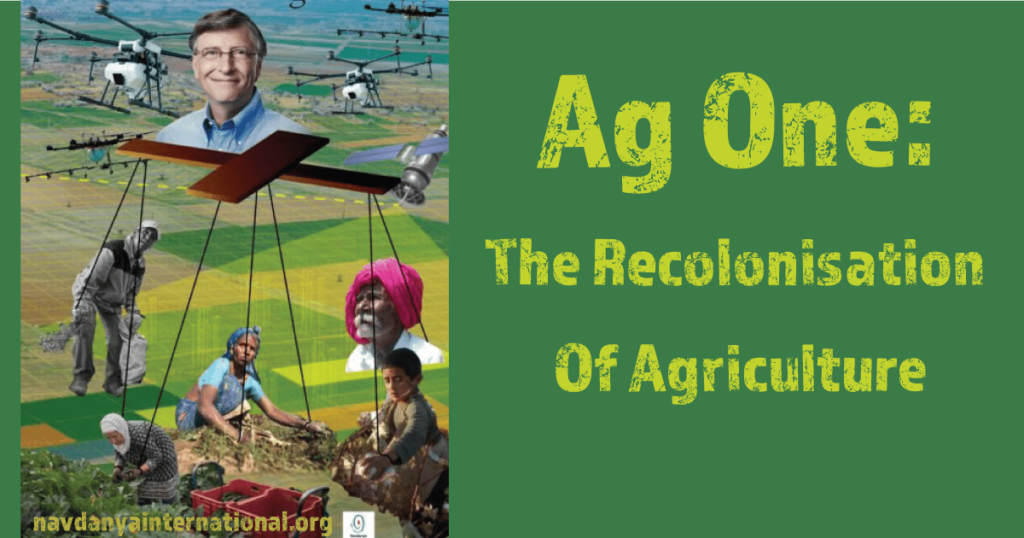
The Realizing Increased Photosynthetic Efficiency (RIPE) project, on which the UK-based Cambridge University collaborates, recently received funding from Gates Ag One. ENSA is the most recent research endeavor to benefit from this funding.
Gates Ag One, a non-profit division of the Bill & Melinda Gates Foundation, was established to use crop science from around the world to meet the needs of smallholder farmers in South Asia and Africa.
Its main objective is to quicken biological process improvements for six priority food crops: cassava, cowpea, maize, rice, sorghum, and soybean.
The organization seeks to expedite groundbreaking agricultural research in order to address the pressing and unmet needs of smallholder farmers in South Asia and sub-Saharan Africa.
Gates Ag One represents the interests of smallholder farmers, who are most vulnerable to climate shocks yet do not have access to the most recent agricultural technologies, out of the premise that all lives have equal value.
In order to transform smallholder farmers’ agricultural productivity, nutrition security, and climate resilience, Gates Ag One strives to level the playing field and give them the tools they need.
In order to make better use of nitrogen and phosphorus that are already present in the air and soil, ENSA’s work improves the interactions between crops and microorganisms.
Only legume plants, such as beans and peas, can currently naturally convert nitrogen from the soil through a bacterium called rhizobia.
“African agriculture is at an inflexion point, with vastly increasing demand at a time when supply is at risk, especially due to a changing climate,” said Giles Oldroyd, Director of the Crop Science Centre, another partner on the project.
“The outcomes of this work have the potential to see gains as great as those from the Green Revolution, but without relying on costly and polluting inorganic fertilizers.
“Increasing production of crops sustainably in smallholder farming systems, like those in sub-Saharan Africa, directly addresses some of the worst poverty on the planet,” he added.
Source: myjoyonline

1 Comment
Good post. I learn something totally new and challenging on websites I stumbleupon on a daily basis. Its always exciting to read content from other writers and use something from other sites.