

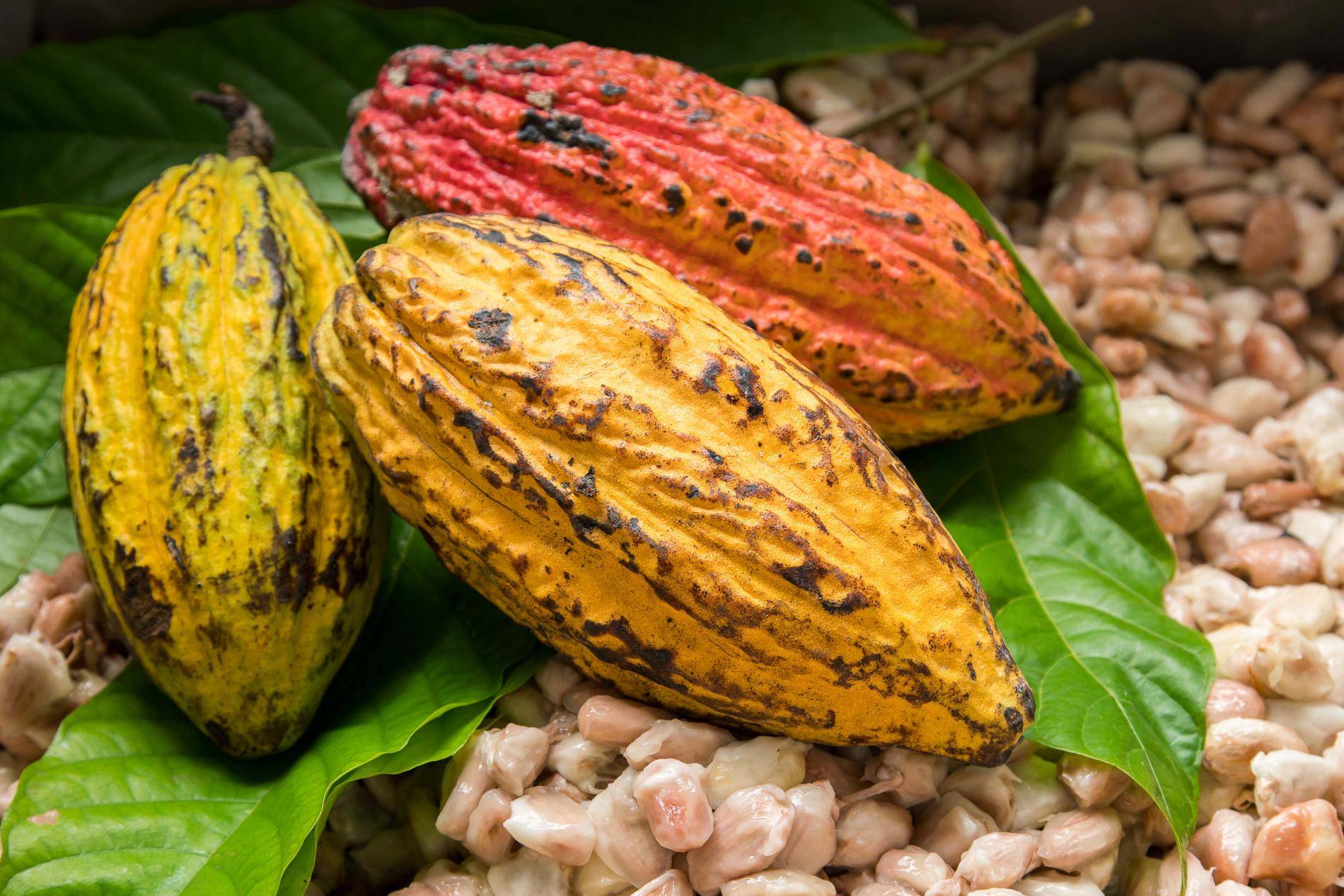
The cocoa industry has been hit by drastic price fall, affecting thousands of farmers in Ghana, the second largest producer in the world after Cote D’Ivoire.
The countries cocoa industry largely depends on the foreign market to succeed by exporting the raw material.
Even though there’s abundance of cocoa in two West African countries, another market glut may occur if a planned lab production of chocolate without farm groan cocoa succeeds.
The government of Ghana has announced plans to start processing the commodity locally, however, the fear is that a lab-manufactured chocolate will push away small-holder cocoa farmers out of business if the government fails to fully implement the initiative.
Below is the full article.
Compared to just about every other trade in the books, the chocolate industry has changed remarkably little since the 1800s. The entire supply chain still relies on the exploitation of West African labor, colonial trade routes, and a few powerful monopolies acting as middle-men.
Consumers are starting to notice. Outrage over additives — from titanium dioxide still used in some white chocolates to the heavy metals like cadmium and lead in dark chocolate — has resulted in a torrent of complaints about the waxy, artificial flavor of modern candy bars.
In other words, there’s a business opportunity for anyone that can figure out how to provide a more authentic chocolate taste at Hershey prices. The problem is that cocoa can only be grown in a narrow band of the world near the equator — and now a pair of food companies think they can culture it in a lab instead.
One promising collaboration is between Belgian food ingredients giant Puratos and a West Sacramento foodtech startup called California Cultured, which recently announced a partnership to create a commercially viable, lab-cultured chocolate by the end of 2026.
California Cultured sources its product from samples taken by cocoa plants identified as having ideal flavors and aroma. Once identified and scraped, the cells are then grown in nutrient tanks until there’s enough growth to make some real chocolate — a process taking “days instead of months,” as the company’s website puts it.
“We’re directly growing the tissue that gets turned into chocolate,” CEO Alan Perlstein told CNBC in a 2024 interview about the process. Though the output is said to be relatively quick once everything is up and running, getting there is arduous work. According to CNBC‘s reporting, it takes a minimum of six months, and anywhere up to three years to get an industrial production line humming.
The partnership is one of dozens of industry projects seeking a lab-grown alternative to farmed cocoa. Though the two companies may be the closest to offering a lab-grown consumer product, it nonetheless faces three structural barriers: regulation, consumer acceptance, and cost.
Since 2024, California Cultured has been seeking regulatory approval from the US Food and Drug Administration. To bring any product to the consumer market, its product will have to earn a GRAS certification — “Generally Recognized as Safe.” In the same token, the partners will face a challenge with customer acceptance, as retail chocolate companies like Mars and Cadbury sell their candy largely on brand familiarity.
Even if the first two factors fall into place, there’s a nagging question of production cost. As of 2025, chocolate derived from lab-grown cocoa still cost “substantially more” than traditional chocolate due to a lack of production scale, the food industry blog Forward Fooding assessed. Until production ramps up, no amount of regulatory approval or consumer confidence can make the math work.
If lab-grown chocolate does prove to be commercially viable, however, it could have huge implications for the $123 billion chocolate industry, which is built on the labor of smallholding farmers in the global south. Puratos, for its part, frames the urgency in terms of climate: pointing to the dismal 2023 harvest, the company pitches cultured cocoa as a “climate-independent and sustainable complement to traditional cocoa farming” that will “strengthen the long-term resilience of the chocolate industry while continuing to support existing cocoa ecosystems.”
What that means for the farmers already in those ecosystems is a more complicated question.
The present situation comes with a well-documented record of human rights abuses and exploitation — conditions that smallholders, through militant struggle and collective organizing, have only recently been able to reform. Lab-grown cocoa, if successful, could arrive at precisely the moment those long-struggling workers finally wrestle control from the multinational cocoa industry, undercutting what little leverage they can bring to the bargaining table.
Source: Futurism
