Close Menu

    Subscribe to Updates

    Get the latest creative news from FooBar about art, design and business.

    What's Hot

    The Solution Is There! Experts Slam Government Inaction Over Ginger Shortage

    May 18, 2026

    Farmers Sidelined As Govt Contractors Supply Imported Rice To Schools Instead Of Local Rice

    March 9, 2026

    Chocolate Company To Manufacture Lab-Grown Cocoa: What Does It Mean For Ghana’s Cocoa Farmers?

    March 9, 2026
    Facebook X (Twitter) Instagram
    Facebook X (Twitter) Instagram
    The Ghanaian Farmer
    Subscribe
    • Homepage
    • Agribusiness
    • AgriTech News
    • Livestock
    • Crops
    • Farmer’s Spotlight
    The Ghanaian Farmer
    Home » Farmers Sidelined As Govt Contractors Supply Imported Rice To Schools Instead Of Local Rice
    Agribusiness

    Farmers Sidelined As Govt Contractors Supply Imported Rice To Schools Instead Of Local Rice

    SefakorBy SefakorMarch 9, 2026No Comments3 Mins Read
    Facebook Twitter Pinterest LinkedIn Tumblr WhatsApp VKontakte Email
    Share
    Facebook Twitter LinkedIn Pinterest Email

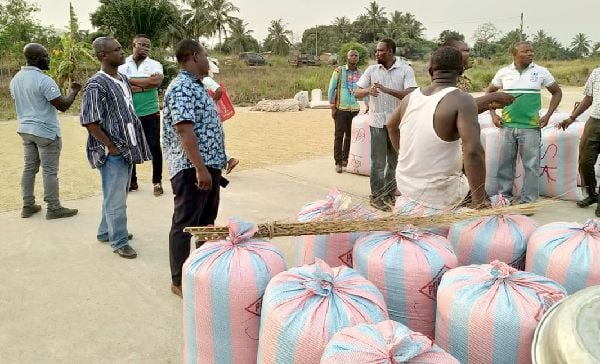
    Nearly four months after the government announced a bold directive to prioritise locally produced food in public institutions, frustration is beginning to grow among farmers who say the promise has yet to translate into real opportunities for them.

    For many rice farmers across Ghana, the announcement in November 2025 that public schools would buy only locally produced staples was greeted with excitement. The directive from President John Dramani Mahama, communicated by Finance Minister, Cassiel Ato Forson, was expected to create a guaranteed market for Ghanaian producers under the widely promoted “Buy Ghana, Eat Ghana” agenda.

    But according to the former director of the Peasant Farmers Association of Ghana, Dr. Charles Nyaaba, that expectation is yet to materialise.

    Speaking on JoyNews on Monday, March 9, Dr Nyaaba said farmers who prepared to supply rice to the Ghana School Feeding Programme are now disappointed after learning that contractors engaged to procure the grains allegedly chose to import rice instead.

    He explained that farmers had anticipated a surge in demand following the presidential directive and were ready to supply the programme but the excitement among producers quickly turned into concern when there was little evidence that the locally grown rice was being purchased.

    “We were very excited when we got the directive from the president that the school feeding programme was going to buy rice and maize from local farmers,” he said. “We were all prepared, waiting for them to arrive, but the contractors engaged to purchase the produce decided to import the rice instead.”

    Dr Nyaaba alleged that the contractors tasked with sourcing food for the programme bypassed local farmers entirely.

    “They gave contracts to people to buy from farmers, but instead they imported rice and left the farmers out,” he claimed.

    He also raised concerns about the lack of transparency surrounding the procurement process, noting that repeated calls for the names of the contractors to be made public have not been honoured.

    According to him, stakeholders have consistently urged the National Food Buffer Stock Company to release the list of contractors responsible for mobilising the produce, but those requests have so far gone unanswered.

    “We keep engaging them to publish the list of people they engaged to mobilise the produce, but they are failing to do that,” he said. “And there is no evidence from any farmer that the National Food Buffer Stock came to buy from them.”

    The government’s directive for schools to buy locally produced rice, maize, chicken and eggs was introduced as part of broader efforts to strengthen domestic agriculture, guarantee a steady market for farmers and reduce reliance on imported food.

    However, Dr Nyaaba questioned whether such policies would achieve their intended impact if implementation gaps persist.

    He urged authorities to ensure that government-backed initiatives designed to support local agriculture truly reach the farmers they are meant to benefit.

    Share this:

    • Share on Facebook (Opens in new window) Facebook
    • Share on X (Opens in new window) X

    Like this:

    Like Loading...
    Share. Facebook Twitter Pinterest LinkedIn Tumblr WhatsApp Email
    Previous ArticleChocolate Company To Manufacture Lab-Grown Cocoa: What Does It Mean For Ghana’s Cocoa Farmers?
    Next Article The Solution Is There! Experts Slam Government Inaction Over Ginger Shortage
    Sefakor
    • Website

    Related Posts

    The Solution Is There! Experts Slam Government Inaction Over Ginger Shortage

    May 18, 2026

    Ghanaian Farmers To Pay Up To GH¢480,000 Licence Fee for a Hectare of “Wee” Farm; Farmer Fights Gov’t At Supreme Court

    March 2, 2026

    Take Advantage Of Growing Opportunities In Agriculture – John Dumelo Tells Youth

    February 15, 2026

    Govt Targets 18M Birds With Nkoko Nkitinkiti Project After 50,000 Pilot Success

    February 2, 2026

    Leave a ReplyCancel reply

    Demo
    Our Picks

    Remember! Bad Habits That Make a Big Impact on Your Lifestyle

    January 13, 2021

    The Right Morning Routine Can Keep You Energized & Happy

    January 13, 2021

    How to Make Perfume Last Longer Than Before

    January 13, 2021

    Stay off Social Media and Still Keep an Online Social Life

    January 13, 2021
    • Facebook
    • Twitter
    • Instagram
    • YouTube
    • LinkedIn
    Don't Miss
    Agribusiness

    The Solution Is There! Experts Slam Government Inaction Over Ginger Shortage

    By SefakorMay 18, 20260

    The conversation started in reaction to news of imported ginger from China; frustrated, practical, and…

    Share this:

    • Share on Facebook (Opens in new window) Facebook
    • Share on X (Opens in new window) X

    Like this:

    Like Loading...

    Farmers Sidelined As Govt Contractors Supply Imported Rice To Schools Instead Of Local Rice

    March 9, 2026

    Chocolate Company To Manufacture Lab-Grown Cocoa: What Does It Mean For Ghana’s Cocoa Farmers?

    March 9, 2026

    Plantain Chips Producers Demonstrate Against Claims Of Using Plastics For Frying

    March 2, 2026

    Subscribe to Updates

    Get the latest creative news from SmartMag about art & design.

    About Us
    About Us

    The Ghanaian Farmer is Ghana’s leading agricultural news and advocacy platform, dedicated to informing, educating, and inspiring farmers and agribusiness stakeholders. We spotlight innovations, share success stories, and promote sustainable practices to strengthen Ghana and Africa’s food systems

    We're open to do busines with you and amplify your agriculture business.

    Email Us: info@theghanaianfarmer.com
    Contact: +233 554830431

    Our Picks

    Remember! Bad Habits That Make a Big Impact on Your Lifestyle

    January 13, 2021

    The Right Morning Routine Can Keep You Energized & Happy

    January 13, 2021

    How to Make Perfume Last Longer Than Before

    January 13, 2021
    New Comments
    • John on Climate Change And The Need For Forest Protection In Ghana
    • Sefakor on Cashew Development In Ghana; What Has Changed? Nana Yaw Reuben writes
    • https://yourkinkinpink.com on Commercialisation Of Farming Drives Market And Investment- Rice Farmer
    • tokyovipjapanesecompanions.com on Commercialisation Of Farming Drives Market And Investment- Rice Farmer
    Facebook X (Twitter) Instagram YouTube LinkedIn
    © 2026 The Ghanaian Farmer. Designed by AJ Willz Media.

    Type above and press Enter to search. Press Esc to cancel.

    %d