

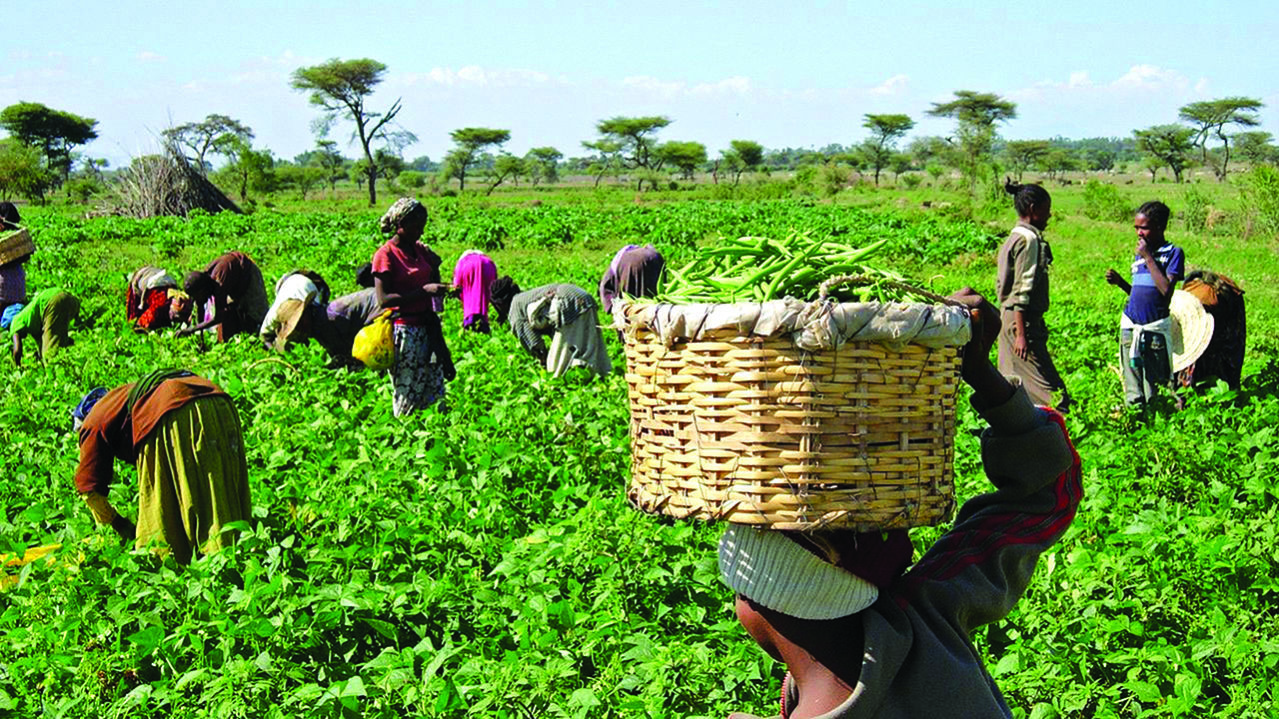
Food production in Africa is expected to receive a boost as development partners inject US$30 billion to be implemented in the next five years.
The president of the African Development Bank, Akinwumi Adesina made this disclosure on Friday, January 27, 2023, at the end of a summit on food security on the continent.
An estimate from the United Nations says that Africa is facing its worst food crisis ever, with more than one in five Africans — a record 278 million people—facing hunger, according to UN estimates.
The three-day event, which was held in Dakar, Senegal, was focused on the need for African countries to boost their food production capacity rather than relying on imports that have left them vulnerable to price spikes and shortages.
The event was attended by African leaders, development banks and international partners including the United States, the European Union and Britain to mobilize funding and political commitment.
About 40 countries from across the continent presented agricultural development plans to the bank and other partners, who expressed commitment to supporting the $30 billion investment plans over the next five years to enable the countries to increase food production.
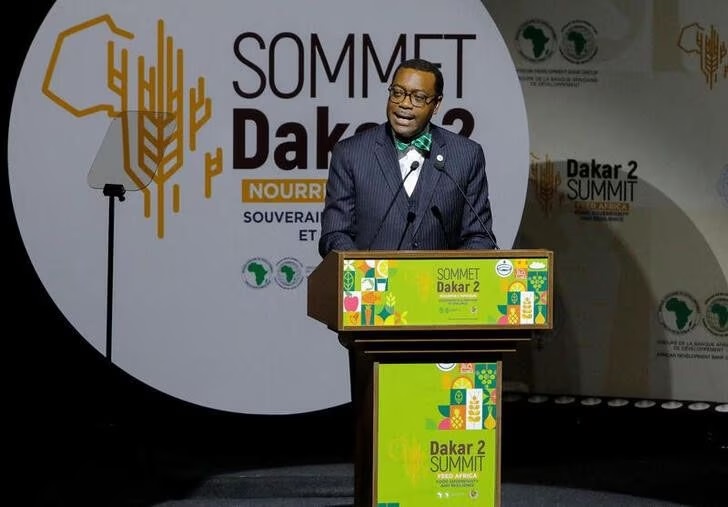
In an interview with Reuters, African Development Bank president Akinwumi Adesina said, “we’re going to invest in markets, we are going to invest in infrastructure, energy, we’re going to invest in roads, we’re going to invest in storage, all the things that you need to make agriculture work.”
“We must make sure that agriculture allows people to feed themselves. That’s the core of what we are doing here. It’s embarrassing that Africa is not able to feed itself,” Adesina added.
According to experts in the value chain, heavy debts resulting from the COVID-19 pandemic and the war in Ukraine raised prices of fuel, grain and edible oils, which have added to long-term causes of food insecurity such as climate change and conflict, experts say.
The Ukraine war also disrupted the supply of fertilizer to the continent, pushing prices beyond the reach of farmers.
The African Development Bank, after engaging partners last year, got assurances from fertilizer manufacturers on the continent, including Nigeria’s Dangote and Indorama, and Morocco’s OCP that Africa would not be marginalized in the fertilizer supply chain, Adesina said, adding that the bank had made investments in the manufacturers.
“I think we will not have a fertilizer crisis in Africa. The challenge we’re going to have is affordability problem,” he said, adding that governments would have to put support measures in place to make fertilizer affordable for farmers.
Source: Reuters
