

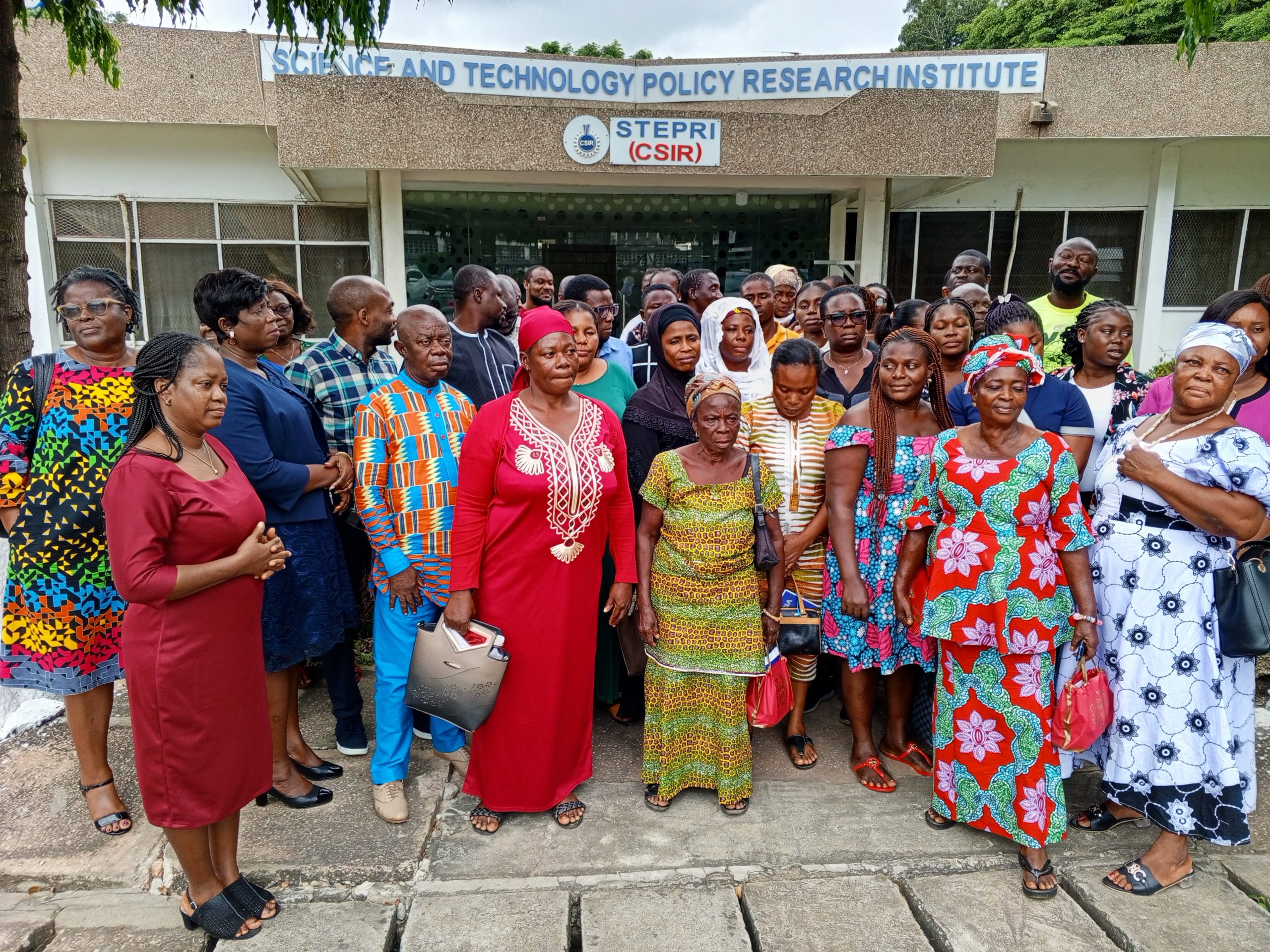
Women in Ghana are playing a pivotal role in the food production value chain, accounting for a substantial 70% of its total value.
However, the Peasant Farmers Association of Ghana (PFAG) in collaboration with OXFAM Ghana has raised concerns about the need to enhance the capacity of women in this sector instead of playing supporting roles most of the time. The organizations noted that many government agriculture support programs have failed to adequately involve women, despite their significant contributions.
One notable initiative in the agriculture sector currently is the Planting for Food and Jobs (PFJ), which led to a 6% growth in agricultural output in 2018, according to the Executive Secretary of the PFAG, Dr Charles Nyaaba.
But, the subsequent years of implementation were riddled with challenges including issues with low-quality seeds and the smuggling of fertilizers. Surprisingly, the 2023 budget for the Ministry of Food and Agriculture (MoFA) under the PFJ program did not allocate any funds to support farmers increase staple food production, he added.
Amidst these challenges, the PFAG are stepping up and expressing their willingness to collaborate with the state to prevent potential food shortages.
During an address at a workshop on inclusive participation of women in the new PFJ policy, Dr. Nyaaba, on behalf of a group of aggregators is calling for increased expenditure for MoFA, implementation of a robust system that includes women’s aggregation, and clear definitions of the roles women play within the agriculture sector.
Meanwhile, a representative from OXFAM Ghana, Charles Ebere advised the government to create the needed environment for women by designing interventions that will have them participating, adding that one of the areas a lot of women struggle is access to credit which he disclosed currently stands at only 23%.
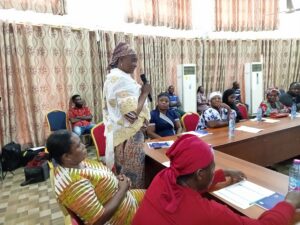
A major concern highlighted by stakeholders at the workshop is the selection of aggregators for PFJ 2.0. They stressed the importance of choosing aggregators from all walks of life and not exclusively targeting those with large sums of money or solely interested in profit-making. This approach is believed to ensure a more inclusive and equitable distribution of benefits throughout the agriculture value chain.
The participants have also suggested that to ensure the growth of this vital sector, taxes on inputs should be removed, and a reliable and affordable irrigation system should be put in place. It is also crucial to involve real farmers in intervention programs to better understand their needs and tailor initiatives accordingly.
The Peasant Farmers Association of Ghana believes these recommendations could lead to more effective policies that capitalize on the vital role of women while addressing the pressing challenges facing the food production value chain.
Meanwhile, the Director of Women in Agriculture Development (WIAD) at the Ministry of Food and Agriculture, Paulina Addy, said her outfit is collecting the inputs of women before the launch of the PFJ 2.0 and assured that the recommendations would be incorporated into the revised model of the programme to support farmers across the country.
The workshop was organized by the Peasant Farmers Association of Ghana in collaboration with the Women in Agricultural Development and Policy, Planning, Monitoring and Evaluation Directorate of the Ministry of Food and Agriculture with support from Oxfam Ghana. It brought together traders, farmers, aggregators, importers, and exporters from the northern and southern parts of the country who deliberated on workable ways to increase women’s involvement in the agriculture value chain.
