

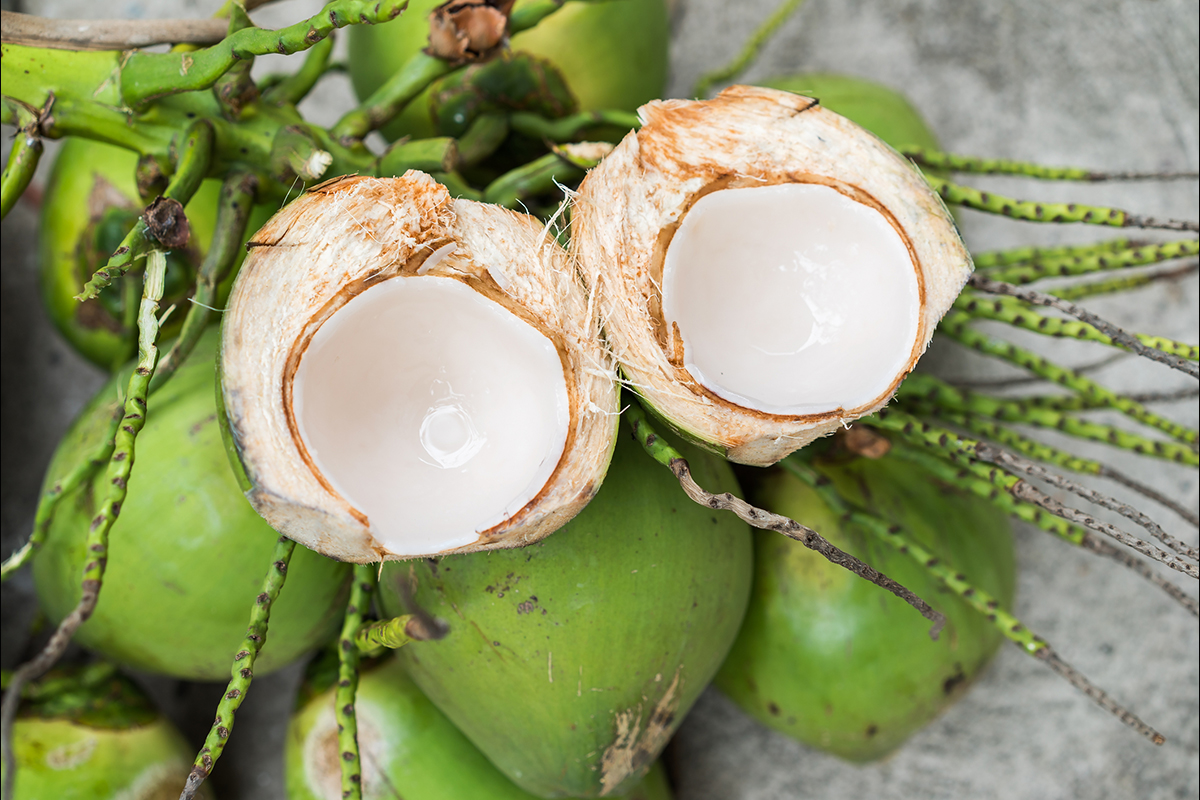
The United States Food and Drug Administration (FDA) has recently decided to remove coconuts from the list of U.S. food allergens, a move poised to significantly impact the coconut industry and major fruit producers like Indonesia and the Philippines. This decision is expected to drive up demand for coconut-based products, benefiting various sectors within the industry.
As a result of this change, packaged food and supplements containing coconuts are no longer required to carry mandatory allergen labeling under the U.S. Food Allergen Labeling and Consumer Protection Act of 2004 (FALCPA). This shift follows the efforts of trade groups, including the Coconut Coalition of the Americas (CCA), which petitioned for the removal of coconuts from the allergen list in 2019 through the CCA Coconut Allergen Project. The CCA contended that classifying coconuts as an allergenic tree nut was inaccurate, as coconuts are neither tree nuts nor a major food allergen.
The delisting of coconuts is anticipated to boost the demand for coconut-based products, including sugar, water, and desiccated coconut. The CCA has welcomed this development, viewing it as a significant opportunity for the coconut industry that helps eliminate trade challenges and provides consumers with clearer and more accurate information regarding coconut products.
Having actively engaged in discussions with the FDA over the past few years, the CCA’s advocacy efforts have culminated in this official delisting of coconuts as a U.S. food allergen. This change is expected to have extensive implications for the coconut industry, potentially opening new avenues for growth and innovation.
In light of this update, industry stakeholders are encouraged to stay abreast of changes in allergen regulations and labeling requirements. It is crucial for companies producing and selling coconut-based products to ensure compliance with all relevant regulations and to communicate transparently with consumers about the allergen status of their offerings.
Overall, the removal of coconuts from the list of U.S. food allergens represents a positive development for the coconut industry, likely to influence the market significantly. By remaining informed and adapting to these changes, industry participants can seize new opportunities and continue to meet the evolving demands of consumers.
Reporting by Stephen Freeman, Accra.
