

The Ministry of Fisheries and Aquaculture Development has disclosed efforts by the government to reduce the high cost of fish feed in Ghana by providing cheaper alternatives to imported ones.
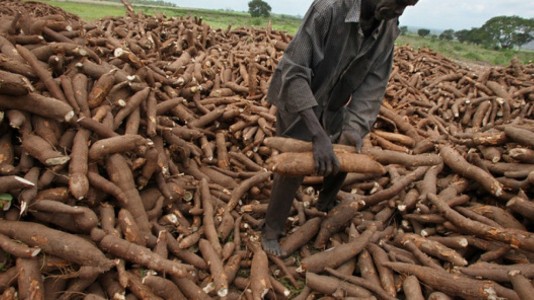
According to the Deputy Minister of Fisheries and Aquaculture Development, Moses Anim, the ministry is collaborating with the Centre for Scientific and Industrial Research (CSIR) to develop fish feed using cassava and insects.
Mr. Anim was speaking at the maiden edition of an exhibition, Dinner and Awards Night organised by the Chamber of Aquaculture Ghana in collaboration with the Ministry and the Fisheries Commission.
The two-day event which hosted 30 companies including fish feed companies, fish farmers, input companies, and development partners among others was under the theme “fostering stakeholder collaborations for sustainable aquaculture industry.”
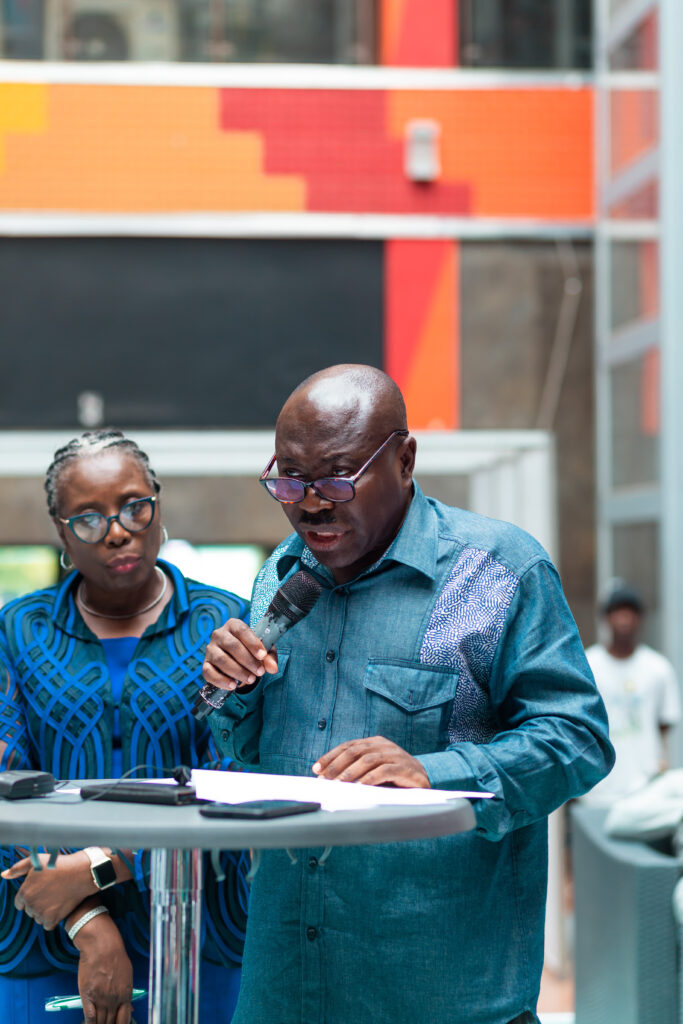
“The Ministry is also collaborating with the Centre for Scientific and Industrial Research (CSIR) to explore alternative and affordable fish feed options such as using cassava and insects to produce fish feed to reduce the high cost of production. We are also working assiduously to ensure that aquaculture operators have access to credit facilities, adequate extension service, markets and improved technology,“ Mr Moses Anim disclosed.
In recent years, the African continent produced 60% of the global cassava crop (256 million tonnes) with Ghana being the fourth largest producer, however, only a small fraction is utilized for animal feeding initiatives throughout Africa. The potential for increased utilization is vast, particularly of unused or underused fractions and residues such as peels.
Meanwhile, the Deputy Minister also disclosed that his outfit is working assiduously to cut down on the importation of fish in the country adding that the country cannot continue generating foreign income from fish importation.
“Let me reiterate that where we are today, with all the challenges of post-covid, the countries that will survive are those that will increase their import substitution. We need to reduce the importation of fish”, he said.
“I still stand by the word that if you want to import fish, look for your forex to do that. We cannot generate forex in this country and others will use it to go and import. It will mean we would have to increase production in aquaculture here,” Mr Moses Anim added.
In a related development, the Chairperson of the Chamber for Aquaculture Ghana, Dr. Ruby Asmah stated that the maiden edition of the Aquaculture Exhibition and Awards was to recognize players that have survived the turbulence of the sector and other stakeholders that have contributed to the recovery process.
“This programme is to acknowledge the efforts of people who have worked tirelessly in the sector. The aquaculture sector in Ghana has had its ups and downs and I think the most difficult period was when the disease outbreak occurred in 2018,” he said.
Dr Asmah reiterated that the situation forced some farmers to collapse while others gradually recovered.
“To a lot of people, that appeared to be a critical moment. Some went down and never came up again but others survived. We’re seeing some of them recovering.”
