Close Menu

    Subscribe to Updates

    Get the latest creative news from FooBar about art, design and business.

    What's Hot

    The Solution Is There! Experts Slam Government Inaction Over Ginger Shortage

    May 18, 2026

    Farmers Sidelined As Govt Contractors Supply Imported Rice To Schools Instead Of Local Rice

    March 9, 2026

    Chocolate Company To Manufacture Lab-Grown Cocoa: What Does It Mean For Ghana’s Cocoa Farmers?

    March 9, 2026
    Facebook X (Twitter) Instagram
    Facebook X (Twitter) Instagram
    The Ghanaian Farmer
    Subscribe
    • Homepage
    • Agribusiness
    • AgriTech News
    • Livestock
    • Crops
    • Farmer’s Spotlight
    The Ghanaian Farmer
    Home » FDA Provides Information On Use Of Red Dye-3 In Foods Following Research By KNUST On Tomato Paste
    Agribusiness

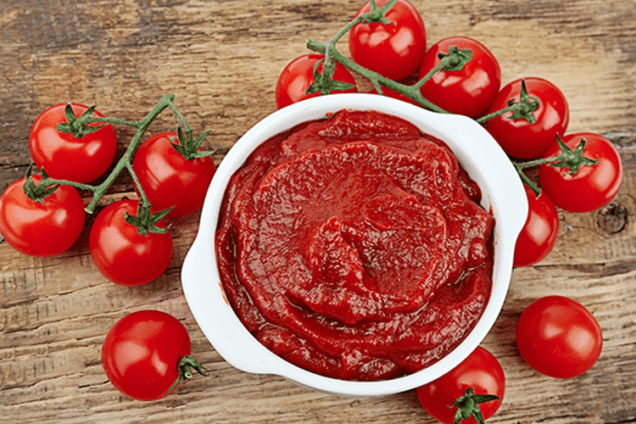
    FDA Provides Information On Use Of Red Dye-3 In Foods Following Research By KNUST On Tomato Paste

    SefakorBy SefakorMarch 4, 2025No Comments3 Mins Read
    Facebook Twitter Pinterest LinkedIn Tumblr WhatsApp VKontakte Email
    Share
    Facebook Twitter LinkedIn Pinterest Email

    The Food and Drugs Authority (FDA) has given an explanation that, the Red Dye-3 or erythrosine (E127) may be used in food products, however, this should be guided by the General Standard for Food Additives.

    According to the authority, the standards (GSFA 2024)/Codex Stan 192-1995), revised in 2024, were approved by the Food and Agriculture Organisation and the World Health Organisation Joint Expert Committee on Food Additive to ensure regulations.

    In a press releas, the FDA said it has since been monitoring products for possible adulteration.

    The FDA’s decision follows a media report regarding a research conducted by the Kwame Nkrumah University of Science and Technology (KNUST) on: “Banned Substances Found in Tomato Paste in Ghana.”

    The research acknowledged that, in 2015, the FDA played a key role in ensuring that the Red Dye-3 (E127- synthetic colour) was banned in tomato products in Ghana.

    The Authority, commenting on the research, said although it was conducted in 2018, it was published on the KNUST website in 2024, by which time the Authority had long investigated the implicated brands and taken the necessary regulatory actions to ensure compliance.

    The statement further stated that, some of the regulatory actions undertaken by FDA included the safe disposal of the implicated brands and bulk products from manufacturing premises, the safe disposal of food colours found at manufacturing premises, and the application of administrative fines.

    The research took samples of Tomato Mix and analysed them as Tomato Paste, leading to misinterpretations.

    Tomato Mix products have historically been more susceptible to the addition of synthetic colours, dietary fiber, and sugar – additives that were not permitted in tomato paste, it said.

    In 2018, the FDA registered only three Tomato Mix and 10 Tomato Paste products, but the market currently has 62 registered tomato mix and 40 registered tomato paste products.

    “All these products comply with Ghana’s standards and undergo rigorous evaluation and testing before approval,” the press release indicated.

    Tomato paste and tomato mix are two distinct products legally recognised but differ significantly in composition.

    Tomato paste contains a minimum of 24 per cent tomato concentrate with or without salt as per the Ghana Standard GS 246:2019.
    Tomato Mix, however, contains a minimum of seven per cent tomato concentrate, tomato powder, water, salt, starch, dietary fiber, and optional ingredients such as sugars, flavours, natural colours, spices, vitamins, or minerals as per the Ghana Standard GS 1203:2018.

    Natural colours are permitted in tomato mix but Erythrosine is not allowed in tomato products.

    Nothwithstanding, it is allowed by the GSFA for use in small quantities in candies, baked foods (cookies & cakes), frozen desserts, frostings, and beverages.

    The release also said for the consumer to make a more informed choice, the FDA introduced labeling guidelines in 2018 (https://fdaghana.gov.gh/wp-) and content/uploads/2025/ guidelines-for-the labelling-of-tomato-mix.pdf).

    This makes it obligatory for the name on the label to be clearly stated (whether Paste or Mix), and all ingredients used in the product listed on the label.

    The FDA, among other things, enforces strict regulatory measures on the importation, manufacture, and sale of tomato products through Pre-market Evaluation and Registration.

    All tomato products undergo laboratory testing and approval before being introduced to the market, it said.

    The release again assured of timely collaboration between its Research and Nutrition Department and other researchers to ensure that safety concerns were addressed appropriately.

    The FDA says it remains committed to protecting public health, and urged academic institutions to engage with the Authority when conducting research that had regulatory implications to avoid any misinterpretation.

    Share this:

    • Share on Facebook (Opens in new window) Facebook
    • Share on X (Opens in new window) X

    Like this:

    Like Loading...
    Share. Facebook Twitter Pinterest LinkedIn Tumblr WhatsApp Email
    Previous ArticleAgronomist Shares Importance Of Proper Seed Nursing Before Transplanting
    Next Article Agricultural Industrialization: Sector Minister Calls For Interconnected Growth
    Sefakor
    • Website

    Related Posts

    The Solution Is There! Experts Slam Government Inaction Over Ginger Shortage

    May 18, 2026

    Farmers Sidelined As Govt Contractors Supply Imported Rice To Schools Instead Of Local Rice

    March 9, 2026

    Ghanaian Farmers To Pay Up To GH¢480,000 Licence Fee for a Hectare of “Wee” Farm; Farmer Fights Gov’t At Supreme Court

    March 2, 2026

    Take Advantage Of Growing Opportunities In Agriculture – John Dumelo Tells Youth

    February 15, 2026

    Leave a ReplyCancel reply

    Demo
    Our Picks

    Remember! Bad Habits That Make a Big Impact on Your Lifestyle

    January 13, 2021

    The Right Morning Routine Can Keep You Energized & Happy

    January 13, 2021

    How to Make Perfume Last Longer Than Before

    January 13, 2021

    Stay off Social Media and Still Keep an Online Social Life

    January 13, 2021
    • Facebook
    • Twitter
    • Instagram
    • YouTube
    • LinkedIn
    Don't Miss
    Agribusiness

    The Solution Is There! Experts Slam Government Inaction Over Ginger Shortage

    By SefakorMay 18, 20260

    The conversation started in reaction to news of imported ginger from China; frustrated, practical, and…

    Share this:

    • Share on Facebook (Opens in new window) Facebook
    • Share on X (Opens in new window) X

    Like this:

    Like Loading...

    Farmers Sidelined As Govt Contractors Supply Imported Rice To Schools Instead Of Local Rice

    March 9, 2026

    Chocolate Company To Manufacture Lab-Grown Cocoa: What Does It Mean For Ghana’s Cocoa Farmers?

    March 9, 2026

    Plantain Chips Producers Demonstrate Against Claims Of Using Plastics For Frying

    March 2, 2026

    Subscribe to Updates

    Get the latest creative news from SmartMag about art & design.

    About Us
    About Us

    The Ghanaian Farmer is Ghana’s leading agricultural news and advocacy platform, dedicated to informing, educating, and inspiring farmers and agribusiness stakeholders. We spotlight innovations, share success stories, and promote sustainable practices to strengthen Ghana and Africa’s food systems

    We're open to do busines with you and amplify your agriculture business.

    Email Us: info@theghanaianfarmer.com
    Contact: +233 554830431

    Our Picks

    Remember! Bad Habits That Make a Big Impact on Your Lifestyle

    January 13, 2021

    The Right Morning Routine Can Keep You Energized & Happy

    January 13, 2021

    How to Make Perfume Last Longer Than Before

    January 13, 2021
    New Comments
    • John on Climate Change And The Need For Forest Protection In Ghana
    • Sefakor on Cashew Development In Ghana; What Has Changed? Nana Yaw Reuben writes
    • https://yourkinkinpink.com on Commercialisation Of Farming Drives Market And Investment- Rice Farmer
    • tokyovipjapanesecompanions.com on Commercialisation Of Farming Drives Market And Investment- Rice Farmer
    Facebook X (Twitter) Instagram YouTube LinkedIn
    © 2026 The Ghanaian Farmer. Designed by AJ Willz Media.

    Type above and press Enter to search. Press Esc to cancel.

    %d