

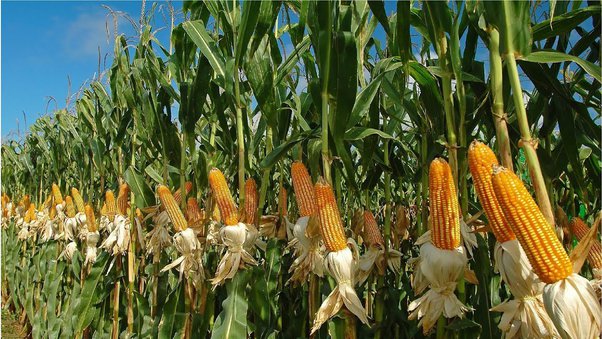
Farmers in Ahanta West District of the Western Region have been counting their massive gains through maize production, thanks to some three varieties of maize seedlings.
According to a teacher and the team lead for the Ahanta West Maize Growers and Buyers Association, Osagyefo, after introducing the three hybrid seedlings known as Lake, Pioneer and Pannar, farmers in the area have increased their yields about five times of what they used to get in past using local maize seedlings.

“In 2010, my school had a national Best Agricultural Farm award and I was introduced to Panna maize seedlings and I saw that people were using it as a business. It’s a hybrid. So I also brought it to the Western Region. Through my initiative people got to know that pannar and pioneer and therefore if you want to go into the business on a large scale, you have to get the hybrid including lake, the yield is very huge,” he told Enyonam Manye during an interview on the Ghanaian farmer show.
Hybrid is a different variety of maize seedlings brought together.
Sharing his experience with the three maize varieties, Mr Osagyefo explained that the hybrid seeds are able to perform well in different environmental conditions such as hot, humid lowlands to dry mid-altitudes and high potential wet highlands.
He added that the varieties perform well in all soil types and the good thing is that farmers in the Ahanta West area are into all-year-round farming as far as maize production is concerned.
“Throughout the year, we grow maize irrespective of the weather that we have. We grow it three or four times per year” he said.
He was confident that the hybrid seeds produce far higher yields than the normal open-pollinated maize varieties (OPVs) used in the country as he urged farmers to take advantage of them in order to increase their crop productivity and revenues.
Currently, Ghana’s maize production occupies about 1 million hectares, ranking first as the country’s first serial crop. It constitutes about 50-60% production of cereals in Ghana.
Maize production in the country now stands at a little over three million tonnes per annum, with 1.7 metric tonnes per hectare as the average yield, however, this could rise to more than 15 million metric tonnes with the new hybrid seeds.
Maize grows well in almost every part of Ghana, making it a cash crop for both existing and potential farmers.
