It is disappointing as a patriotic Ghanaian when truckloads of basic farm produce, such as onions, are imported from countries like Niger and Nigeria, when there are arable farmlands that can produce equally good ones.
A more heartbreaking event in the industry is that the few farmers who grow onions struggle to sell off during the peak season; 2025 is no exception, causing financial losses for local farmers.
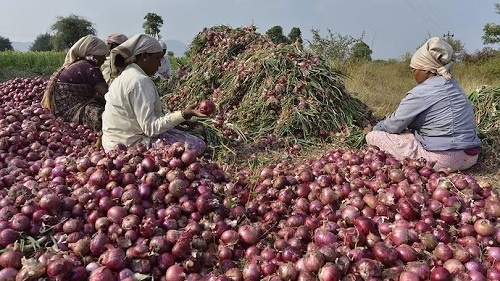
In the last few weeks, onion farmers have joined the league of farmers, such as tomatoes and maize farmers, to beg Ghanaians to buy their produce following a serious glut.
Farmers in the Volta Region, one of the areas known for onion production, have been calling on the government to regulate or completely halt the importation of onions from neighboring countries to help them sell off their harvest.
While presenting the appeal to the Deputy Minister for Agriculture, Mr. John Dumelo, during his engagement with farmers in the Anlo and Ketu South areas, the farmers lamented about the need to ensure the industry doesn’t experience the predicament in future.
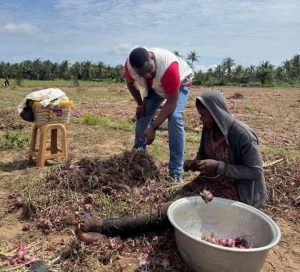
While Ghanaians sympathise with local farmers making the call, they’re calling for measures for sustainability to avoid shortages in future should the ban happen.
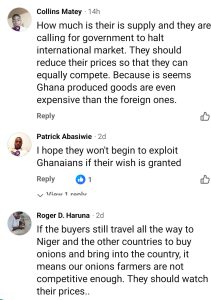
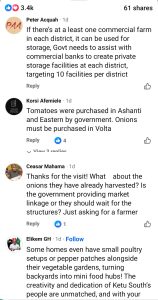
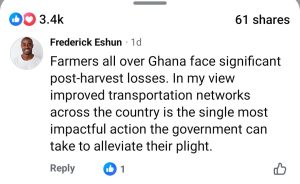
Following the trending news on both traditional and social media, some onliners have been adding their voices.
Abk Chapters, a subscriber on Facebook writes, “our farmers are doing their best to grow for Ghana, but the struggle is too much high bills, poor markets, and import pressure. They deserve real support.”
Another Facebook user, Christopher Gyimah commented, “it’s a good idea but can they produce it all year round?
If yes, then it is good, if not, it will raise a lot of issues.”
According to a news report by the B&FT online in December 2024, Ghana imports 70 percent of its onions, costing some US$2 million weekly, based on data from the Peasant Farmers Association of Ghana (PFAG).
A chunk of the imports, PFAG in its report, are sourced from Niger, Mali and other countries in the Sahel region.