

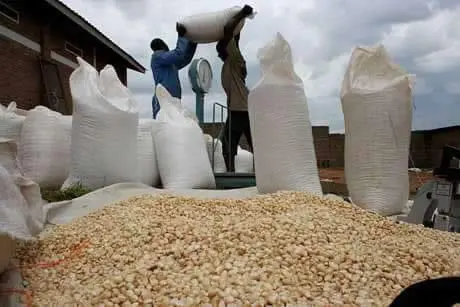
The government has authorised the National Food Buffer Stock Company (NAFCO) to embark on a large-scale grain purchasing programme ahead of the 2025 harvest.
The Ministry of Food and Agriculture (MoFA) has announced the move as a strategic economic intervention to stabilise prices, protect rural livelihoods, and shield the country from the ripple effects of a looming grain glut.
This is the first time NAFCO has received such significant resource backing since it was established. The intervention highlights the seriousness with which the government views the potential risks to Ghana’s agricultural economy.
In a statement, the Ministry noted; “the general public is assured that MoFA, working with all relevant agencies and stakeholders, is fully engaged in ensuring that every grain produced by Ghanaian farmers finds a sustainable and profitable market.”
Farmers, especially those reeling from mounting debts and depressed prices, have been urged by MoFA to remain calm as NAFCO mobilises to purchase their produce.
Beyond protecting farmer incomes, the new development is also intended to ensure the country maintains adequate grain reserves as a buffer against future supply shocks which may be caused by climate variability, geopolitical unrest, or disruptions in global trade.
The Chamber of Agribusiness Ghana (CAG) recently sounded the alarm over what it described as a deteriorating market environment, citing over 100,000 metric tonnes of maize and rice left unsold from last season. According to CAG, Ghana’s domestic value chain is under siege from cheap imports and smuggled grains that evade quality checks and duties.
The Chamber recommended measures to support local grain producers which included tighter border controls, mandatory procurement by state institutions, and guaranteed minimum prices for farmers. It also called for financial support to millers, investments in rural infrastructure and storage, improved irrigation, and stronger farmer cooperatives to boost productivity and competitiveness.
In the short term, the success of NAFCO’s expanded role is extremely significant. It not only relieves pressure on the grain market but also reinforces Ghana’s economic stability and food sovereignty at such a critical season
