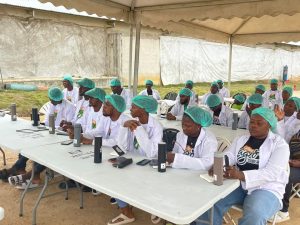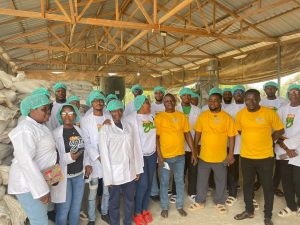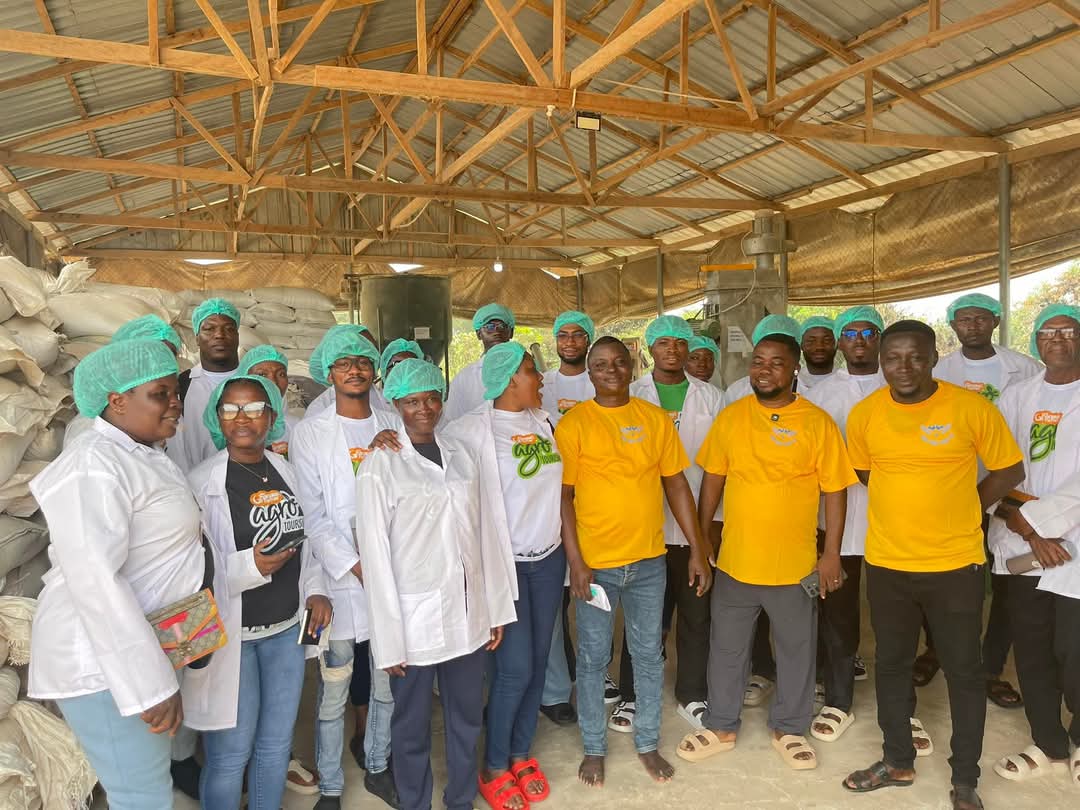
The Ghanaian Farmer has successfully organised its maiden agro-tourism excursion for agric enthusiasts and entrepreneurs in the agribusiness sector.
In partnership with Count on Crops Hub, a firm dedicated to agricultural revitalisation, and the Young Farmers Development Organisation (YOFDO), the trip to Farm Fresh Foods, arguably one of the biggest poultry farms in the sub-region, was nothing short of spectacular and educational.
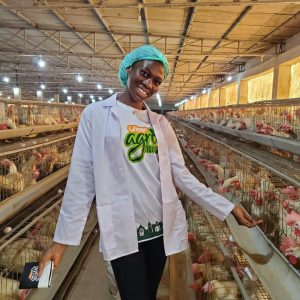
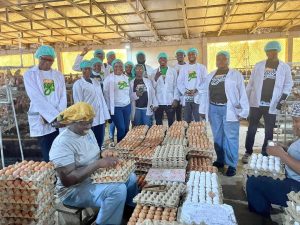
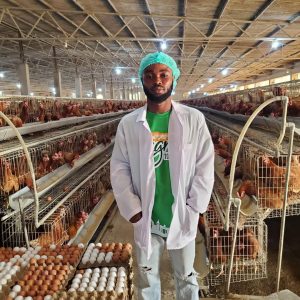
Farm Fresh Foods, a poultry farm nestled in the dense forests of the northern Cape Coast, was established in 2019. With operations fully commencing in February 2022, the farm specialises in layers, with a capacity of 150,000 birds, producing 3,300 to 3,500 crates of eggs daily.
With about 76 employees, around 80 per cent of whom are women, the farm supplies fresh eggs to three regions of the country: Central, Western, and Greater Accra.
According to Mr Owiredu, the manager of the farm, the birds consume 16.2 tonnes of food daily, sourced locally, thereby empowering local production and boosting the Ghanaian economy.
Mr Owiredu also highlighted the importance of record keeping to track business progress.
“Record keeping is the most critical aspect of every business. If you don’t keep records, you’ll be running at a loss. And keeping these records will immediately make you aware of some mistakes you are making so that you can quickly correct those errors,” he said.
Mr Owiredu also advised the agro tourists to fully commit to any agricultural business they might want to undertake, emphasising that providing only financial support without physical involvement can lead to complacency and failure.
Speaking about the importance of agro-tourism and its economic impact, Mrs Enyonam Manye Adjetey, the founder of The Ghanaian Farmer and Count on Crops Hub, noted:
“Agro tourism is becoming something that a lot of farmers in different countries are exploring, and Ghana is no exception.
“One way to learn, clear the negative misconceptions that young people have about agriculture, and one way to attract customers and consumers to these farms and create market linkages is also through agro-tourism. This is also a way to connect back to nature; our customs and traditions. Many aspects of agro-tourism can be experienced during these visits,” she added.
Mrs Adjetey also commended President Mahama’s vision for the agricultural sector in his State of the Nation Address and called on the president to turn his promises into actions.
“For young people, the enthusiasm and passion to enter the agricultural sector is there, but a few things need to be put in place for us, such as infrastructure, access to funding, and policies that support youth involvement,” she added.
Also interacting with some people who participated in the maiden edition of the Ghanaian Farmer’s agro-tourism event, a tech specialist by the name of Moses said:
“This trip has really been an eye-opener for me. I have always wanted to venture into agriculture and even invested in rice cultivation, but I incurred losses. This trip has enlightened me on the need to be actively involved in farming, not just providing the funds.”
Another participant shared how she is excited to start her own poultry farm with the little funds she has gathered.
Agro-tourism is really crucial because it supports rural economies by generating income through agriculture-based activities. It educates visitors on sustainable farming practices, promoting environmental awareness.
This cultural exchange also fosters mutual understanding between urban and rural communities. Agro-tourism can also enhance players’ travel experiences by offering unique, immersive opportunities in nature and tradition. Ultimately, it contributes to a more sustainable and connected world.
Reporting by Mr Stephen Freeman for The Ghanaian Farmer, Jukwa, Central Region of Ghana.