Close Menu

    Subscribe to Updates

    Get the latest creative news from FooBar about art, design and business.

    What's Hot

    Tomatoes, Ginger Fuel Ghana’s Food Price Pressures Despite 5.2% Inflation For September

    October 8, 2026

    EXIM Bank Invests In 54,000-Bird Automated Layer House In Buntaa Farms

    October 8, 2026

    Nkoko Nkitinkiti: Beneficiary Turns 100 Birds Into Promising Family Income Source

    October 8, 2026
    Facebook X (Twitter) Instagram
    Facebook X (Twitter) Instagram
    The Ghanaian Farmer
    Subscribe
    • Homepage
    • Agribusiness
    • AgriTech News
    • Livestock
    • Crops
    • Farmer’s Spotlight
    The Ghanaian Farmer
    Home » Tomatoes, Ginger Fuel Ghana’s Food Price Pressures Despite 5.2% Inflation For September
    News

    Tomatoes, Ginger Fuel Ghana’s Food Price Pressures Despite 5.2% Inflation For September

    SefakorBy SefakorOctober 8, 2026No Comments3 Mins Read
    Facebook Twitter Pinterest LinkedIn Tumblr WhatsApp VKontakte Email
    Share
    Facebook Twitter LinkedIn Pinterest Email

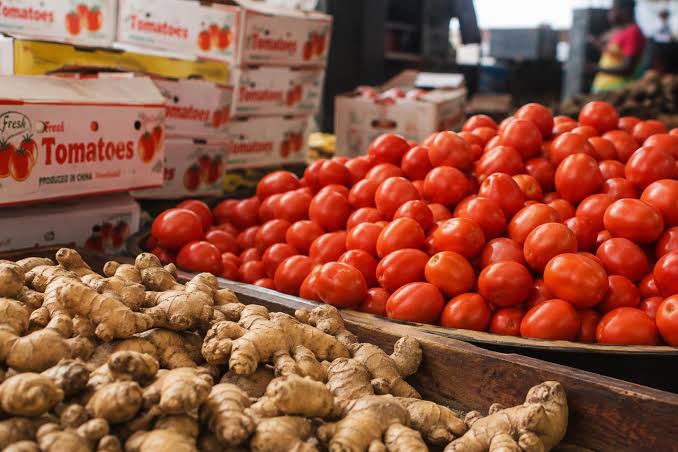
    Fresh tomato and ginger combined contributed 30% to Ghana’s 5.2% inflation rate in September 2026, showing the uneven price pressures facing consumers despite the sharp decline in inflation over the past year.

    According to data from the Ghana Statistical Service, fresh tomatoes alone accounted for 20.3% of the September inflation rate, followed by rent payments at 13.9% and ginger at 9.9%.

    Cooked rice also contributed 7%, while bus and trotro fares and yam each contributed 5.4%.

    While making a presentation on the national inflation figures, the Government Statistician, Dr. Alhassan Iddrisu said the headline rates highlighted significant differences in price movements across individual items.

    “We are talking about one national rate of 5.2% at the end of September 2026, which contains very different experiences in the market.”

    Fresh tomatoes contributed the highest inflation rate among the items tracked in September, with prices rising by 153.4% compared with September 2025.

    Dr. Alhassan explained that tomatoes cost roughly two and a half times what they did a year earlier.

    Ginger followed with inflation of 100.4%, meaning its price approximately doubled over the same period.

    Other items recording some of the highest inflation rates were shrimps at 62.8% and mangoes at 46.6%.

    The figures have raised concerns about the impact of fresh food supply on overall inflation, with tomatoes and ginger alone accounting for about 30% of the national inflation rate.

    “Also, pay attention to fresh food supply, since tomatoes and ginger alone contributes about 30% of inflation.”

    Other food items were cheaper

    While some food items recorded sharp price increases, others became significantly cheaper compared with a year ago.

    Lime recorded the largest price decline, falling by 29.9%, followed by maize at 26.4%, foreign apples at 24.1%, bambara beans at 21.7% and carrots at 21.5%.

    The contrasting movements underscore the wide differences in price experiences across Ghana’s markets.

    The presentation further showed that Ghana’s inflation is largely being driven by domestically produced items.

    Local items accounted for about 86% of inflation in September, while imported items contributed the remaining share.

    “Inflation is homegrown, with local items driving about 86% of inflation in September 2026.”

    The Government Statistician said the trend should guide policy responses, particularly around food supply and domestic costs.

    He said the figures should therefore be used by policymakers, businesses and households to better understand where cost-of-living pressures are strongest.

    For government, the Ghana Statistical Service recommended using the official Consumer Price Index to guide budgets, subsidies and targeted support.

    Businesses were also advised to use official inflation data when fixing prices and negotiating contracts rather than heeding to market rumours.

    Dr. Alhassan Iddrisu said the moderation in food inflation, which fell to 4% in September from 11% a year earlier,  provides some room for planning and saving among households.

    Share this:

    • Share on Facebook (Opens in new window) Facebook
    • Share on X (Opens in new window) X

    Like this:

    Like Loading…
    Food Inflation Ghana Statistical Service
    Share. Facebook Twitter Pinterest LinkedIn Tumblr WhatsApp Email
    Previous ArticleEXIM Bank Invests In 54,000-Bird Automated Layer House In Buntaa Farms
    Sefakor
    • Website

    Related Posts

    Ghana Sets 2028 Deadline To End Rice Import Dependence

    October 8, 2026

    MoFA To Connect 70,000 To Agri- Solution Businesses In West Africa

    October 5, 2026

    COCOBOD Increases Cocoa Farmgate Price To GH¢42,400 Ahead Of 2026/27 Season

    September 25, 2026

    Policy Contractions Blamed As Imports Stall Local Rice And Poultry Growth

    September 25, 2026

    Leave a ReplyCancel reply

    Demo
    Our Picks

    Remember! Bad Habits That Make a Big Impact on Your Lifestyle

    January 13, 2021

    The Right Morning Routine Can Keep You Energized & Happy

    January 13, 2021

    How to Make Perfume Last Longer Than Before

    January 13, 2021

    Stay off Social Media and Still Keep an Online Social Life

    January 13, 2021
    • Facebook
    • Twitter
    • Instagram
    • YouTube
    • LinkedIn
    Don't Miss
    News

    Tomatoes, Ginger Fuel Ghana’s Food Price Pressures Despite 5.2% Inflation For September

    By SefakorOctober 8, 20260

    Fresh tomato and ginger combined contributed 30% to Ghana’s 5.2% inflation rate in September 2026,…

    Share this:

    • Share on Facebook (Opens in new window) Facebook
    • Share on X (Opens in new window) X

    Like this:

    Like Loading…

    EXIM Bank Invests In 54,000-Bird Automated Layer House In Buntaa Farms

    October 8, 2026

    Nkoko Nkitinkiti: Beneficiary Turns 100 Birds Into Promising Family Income Source

    October 8, 2026

    Ghana Sets 2028 Deadline To End Rice Import Dependence

    October 8, 2026

    Subscribe to Updates

    Get the latest creative news from SmartMag about art & design.

    About Us
    About Us

    The Ghanaian Farmer is Ghana’s leading agricultural news and advocacy platform, dedicated to informing, educating, and inspiring farmers and agribusiness stakeholders. We spotlight innovations, share success stories, and promote sustainable practices to strengthen Ghana and Africa’s food systems

    We're open to do busines with you and amplify your agriculture business.

    Email Us: info@theghanaianfarmer.com
    Contact: +233 554830431

    Our Picks

    Remember! Bad Habits That Make a Big Impact on Your Lifestyle

    January 13, 2021

    The Right Morning Routine Can Keep You Energized & Happy

    January 13, 2021

    How to Make Perfume Last Longer Than Before

    January 13, 2021
    New Comments
    • Joseph Kwesi Sarpong on John Dumelo Announce Sponsorship For 20 Young Farmers For Dry Season Tomato Production
    • Vincent Baku on Mahama Woos Young Entrepreneurs To Cocoa Production With Promise Of Attractive Producer Prices
    • John on Climate Change And The Need For Forest Protection In Ghana
    • Sefakor on Cashew Development In Ghana; What Has Changed? Nana Yaw Reuben writes
    Facebook X (Twitter) Instagram YouTube LinkedIn
    © 2026 The Ghanaian Farmer. Designed by AJ Willz Media.

    Type above and press Enter to search. Press Esc to cancel.

    %d