


The Israeli Economic and Trade Mission in Ghana has organised an engagement with Vegetable Producers and Exporters in Ghana on using modern technologies to boost vegetable production targeting the international market.
Under the theme: “Bridging Innovation and Growth in Vegetable Production and Export “, the event sought to enhance Ghana’s vegetable industry through Israeli agri-tech innovations, whilst offering training and workshops to enhance vegetable farmers’ expertise.
Speaking to journalists at the sidelines of the meeting at the Tang Palace hotel in Accra on 12 March, 2025, the Ambassador of Israel to Ghana, Liberia and Sierra Leone, Roey Gilad highlighted the significant bilateral ties between Israel and Ghana, which has existed long before the country gained its independence.
“Agriculture has always been the pillar of our relationship with Ghana, because we know this is the center of Ghana’s economy. As a result, we want to offer solutions that are relevant to Ghana’s challenges in the agric sector. This includes irrigation technology, greenhouses among others,” he added.
The ambassador also mentioned that, he is looking forward to meeting the sector minister to discuss ways of improving the agricultural sector through provision of cutting edge agricultural assistance, and technical support to farmers in the country.
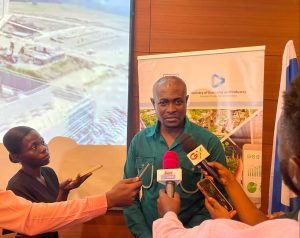
The President of Vegetable Producers and Exporters Association, Dr. Felix Kamassah in an interview with reporters at the meeting also called on the government to invest in irrigation systems to support farmers, beyond the technical support they are getting from the Israeli government.
“Farming generally requires a lot of water and so investing in Irrigation facilities is the way to go. Without irrigation, we cannot go all year round producing vegetables for consumption and export. Rehabilitation of irrigation facilities with quality water will help farmers produce all year round,” he mentioned.
Dr. Kamassah additionally, encouraged the youth to venture into vegetable farming since it is not capital intensive and needs a short time frame to harvest.
While acknowledging the short shelf life of vegetables and post harvest losses, Dr. Kamassah admonished vegetable farmers to find ways of adding value to their produce to extend their shelf lives. He believes processing vegetables into finished goods not only prevents post harvest losses, but also enhances food security and financial benefits for the farmers as well.
The Ghanaian government has allocated 1.5 billion cedis to support the agricultural industry, including vegetable production, the vegetable farmers in Ghana are hoping that, some of the funds will be channeled into policies and machinery that would help them produce these essential food commodities for the country all year round.
Reporting by Stephen Freeman, Accra.
