

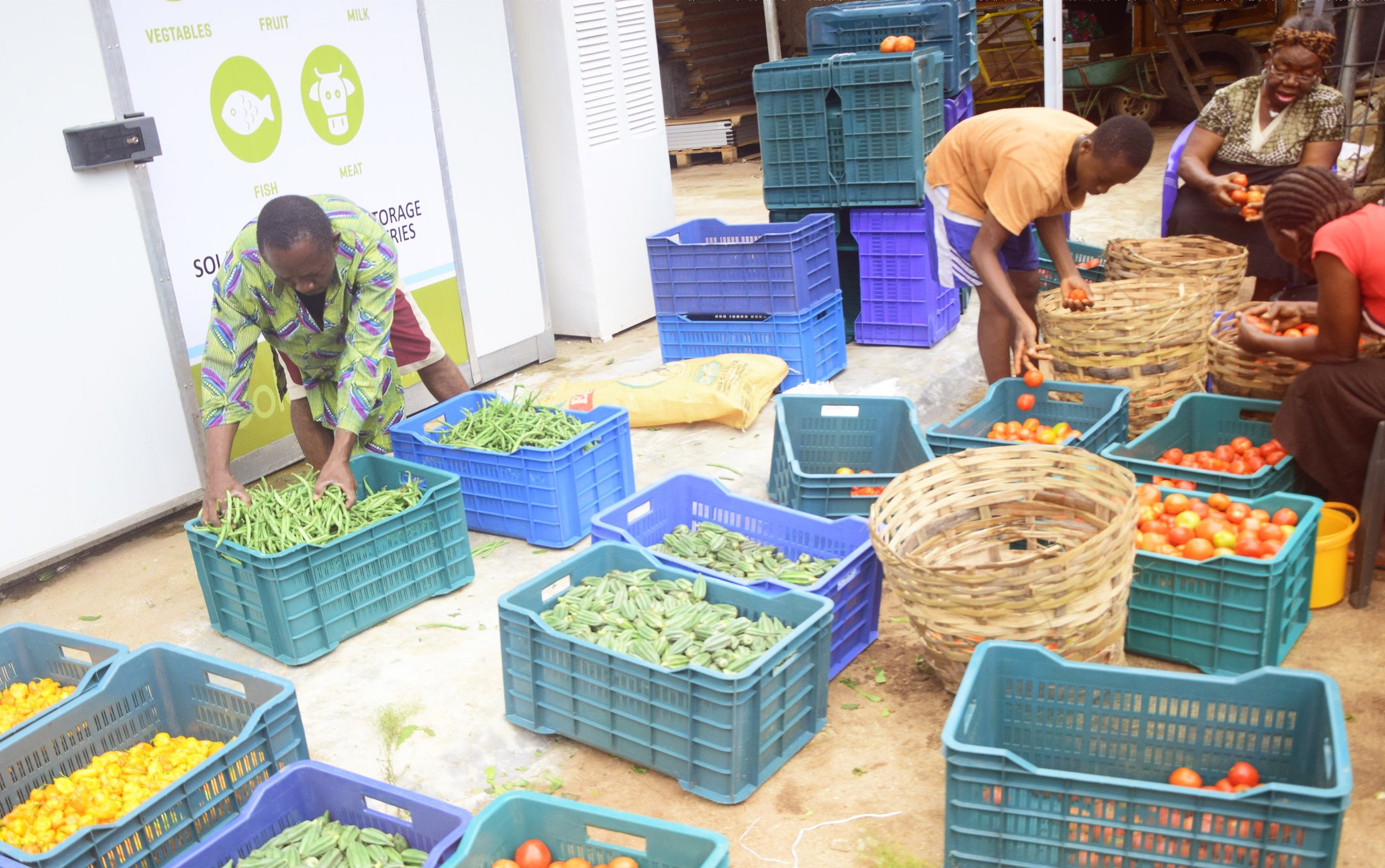
As agribusiness has become a venture where there are opportunities across the globe, Ghanaian entrepreneurs in the value chain are being advised to produce foods that can compete globally.
Agricterra Ghana, an organization that has been instrumental in sustainable food systems, highlighted the need for Ghana to produce a diverse range of foods that cater to both local and international tastes to raise maximum income for economic growth. While the country has shown progress, there remains potential for further growth in this sector, it says.
The organization made the call during a stakeholders’ dinner event which brought together representatives from various sectors, including civil society organisations, United Nations agencies, and young individuals passionate about agriculture.
The event further discussed critical issues in nutrition and food security, marking a significant milestone in Ghana’s efforts to reduce its reliance on imported foods.
While exploring ways to enhance food production and distribution to meet the growing demand for a variety of foods and promote local agricultural practices, The Ghana Food Movement also emphasised the importance of integrating indigenous crops into modern farming practices. The movement also stressed the need for research funding to identify the best ways to enhance these crops and add value to them, ensuring they can compete in both local and global markets.
Also adding its voice to the call, The Ghanaian Farmer, a media platform dedicated to promoting agribusiness commended Agriterra for its contributions to agriculture and called for more inclusive programmes that engage young people involved in farming. This call for youth involvement is crucial, as the next generation will play a pivotal role in sustaining and expanding Ghana’s agricultural productivity.
Chef Wisdom Abiro, known for his innovative culinary skills, demonstrated how Ghanaian indigenous foods can be transformed into refined delicacies. His work highlights the potential for local foods to complement existing dishes without the need for imported ingredients, offering a promising direction for Ghana’s food security.
