

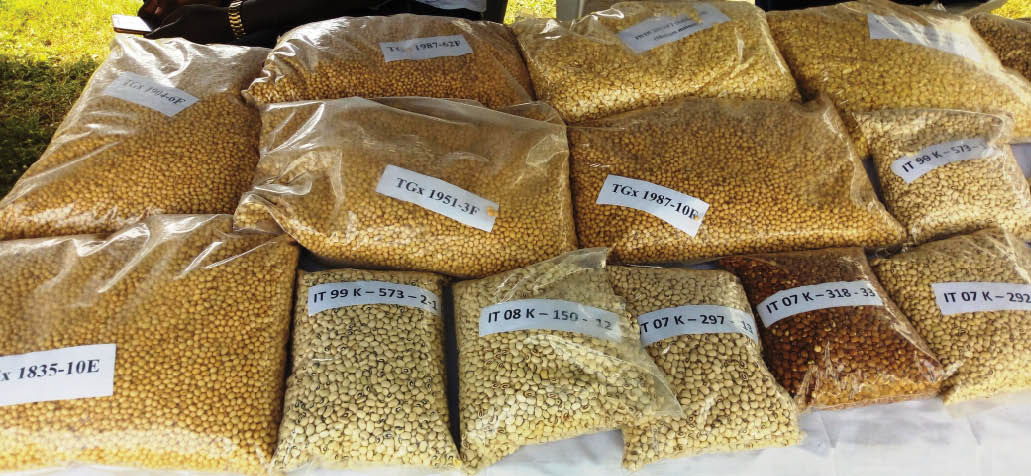
Ghana’s food security is precariously dependent on imports. A staggering 70% of its grain and cereal seeds, along with 100% of its vegetable seeds, are imported, highlighting a significant untapped potential for domestic seed production and considerable opportunities for entrepreneurial growth. This reliance not only drains valuable foreign exchange but also renders Ghanaian farmers vulnerable to global price fluctuations and supply chain disruptions. However, a concerted effort that leverages existing infrastructure and mirrors successful historical models can transform this vulnerability into a source of national prosperity.
The key lies in nurturing a vibrant local seed production sector. At present, the high cost of imported seeds serves as a major barrier to increased agricultural output. By reducing reliance on imports, local production can significantly lower seed prices, making farming more profitable and encouraging enhanced cultivation.
The Ghana Exim Bank stands ready to play a pivotal role in this transformation. By providing targeted loans and financial support to aspiring seed entrepreneurs, the bank can catalyse the growth of this crucial sector. This initiative aligns perfectly with the National Democratic Congress (NDC)’s 2024 manifesto commitment to boosting agricultural productivity, a promise that resonates deeply with Ghanaian farmers yearning for greater economic stability. The proposed agricultural support from the Mahama-led government, combined with readily available financing, will create a fertile environment for entrepreneurs to establish seed production businesses.
This initiative will not only reduce the import bill but also create jobs, stimulate rural economic development, and empower local communities. The positive ripple effect will extend beyond seed production itself; increased access to affordable, high-quality seeds will incentivise farmers to expand their acreage and improve yields.
However, simply increasing food production is insufficient to guarantee farmer prosperity. The government must also implement mechanisms to ensure fair and stable market prices. This is where the National Food Buffer Stock Company (NAFCO) emerges as a crucial player. Drawing inspiration from the successful Ghana Food Distribution Corporation established under Kwame Nkrumah, NAFCO should be empowered to purchase surplus agricultural produce from farmers during periods of abundant harvest. This proactive approach prevents price crashes due to oversupply, protecting farmers’ livelihoods and ensuring a steady income stream.
NAFCO will serve as a strategic buffer, storing excess food products and releasing them gradually into the market during lean seasons. This system ensures a consistent food supply, stabilises prices for consumers, and prevents food shortages. Given the cyclical nature of agricultural production, farmers often face price volatility; NAFCO provides a safety net, mitigating risks associated with fluctuating market demands. This strategic intervention will not only benefit farmers but also contribute to overall food security and price stability across the nation.
In conclusion, a multi-faceted approach that combines increased local seed production, accessible financing through the Ghana Exim Bank, targeted government support as outlined in the NDC manifesto, and the strategic utilisation of the National Food Buffer Stock Company presents a viable pathway to revolutionise Ghana’s agricultural sector.
By addressing the challenges of seed dependency and market volatility, Ghana can unlock its agricultural potential, ensuring food security, boosting economic growth, and creating a more prosperous and resilient nation. This is not merely an agricultural initiative; it is an investment in the future of Ghana.
Reporting by Stephen Freeman, Accra.
