

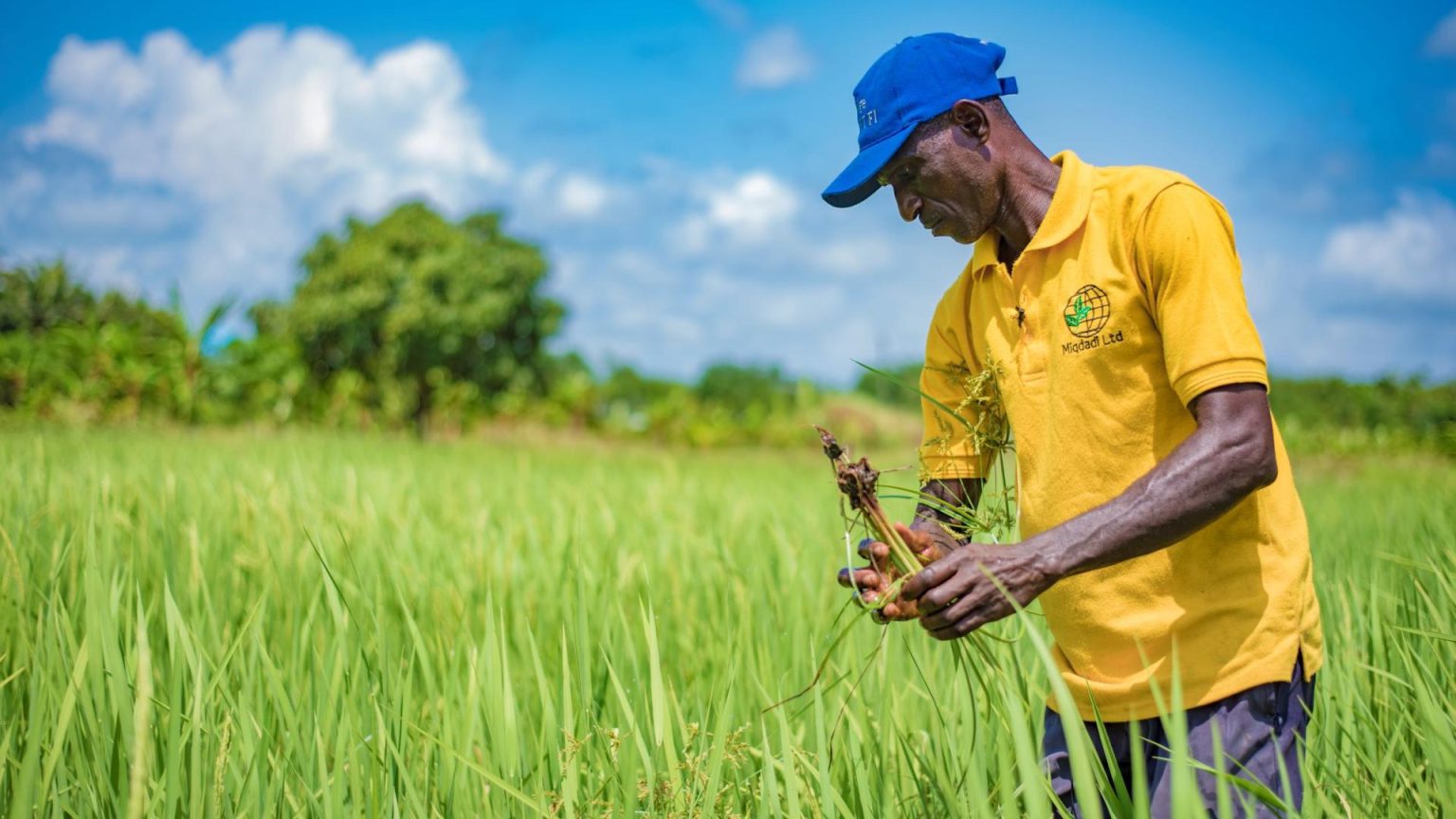
The United Nations Development Programme (UNDP) is implementing a project on sustainable rice production in Ghana where 11,000 farmers will be trained on the efficient use of water to reduce the emission of methane.
Methane is a potent greenhouse gas that contributes to global warming that is a colourless, odourless gas. It is mainly made up of natural gas, found in small quantities in the atmosphere.
The methane project, which is expected to boost yield while reducing greenhouse gas emissions, will gather 20,000 hectares of rice by 2030.
The project is the first under the Ghana-Switzerland Article Six Cooperation Approach.
According to the Article, under the Paris Agreement, the country has the go-ahead to transfer carbon credit earned from the reduction of greenhouse gas emission to help one or more parties to meet their own climate targets.
Dr Daniel Benefoh, the Focal Person of the UN Framework Convention on Climate Change (UNFCCC) in Ghana, told the Ghana News Agency that the production of methane was very much at the core of the country’s main activities in mitigating climate change.
The three major sources of methane generation in Ghana are Agriculture, which includes livestock and rice production; Waste Management; and Oil and Gas.
“These are the three major sources of methane generation in the country and, therefore, they also become part of the solution,” he said.
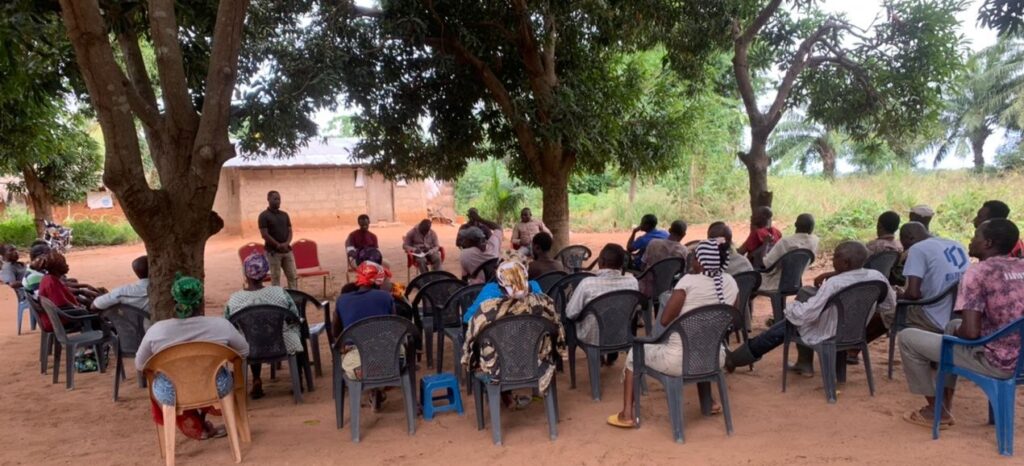
“The whole idea is to promote the alternate wetting and drying in rice cultivation. We are currently onboarding rice farmers across the country. We have done some work in the Shai Hills area, in the Volta Region, and now working in the Upper East and parts of the Upper West regions.”
Dr Benefoh revealed that a training manual had been developed for the farmers with some sensitisation programmes held for them to be able to measure the water on their farm using simple equipment.
“The measurement of the water is to be done with simple equipment; that is a PVC pipe that had been perforated with some markings around it to indicate the level of water to aid the rice farmer to measure,” he said.
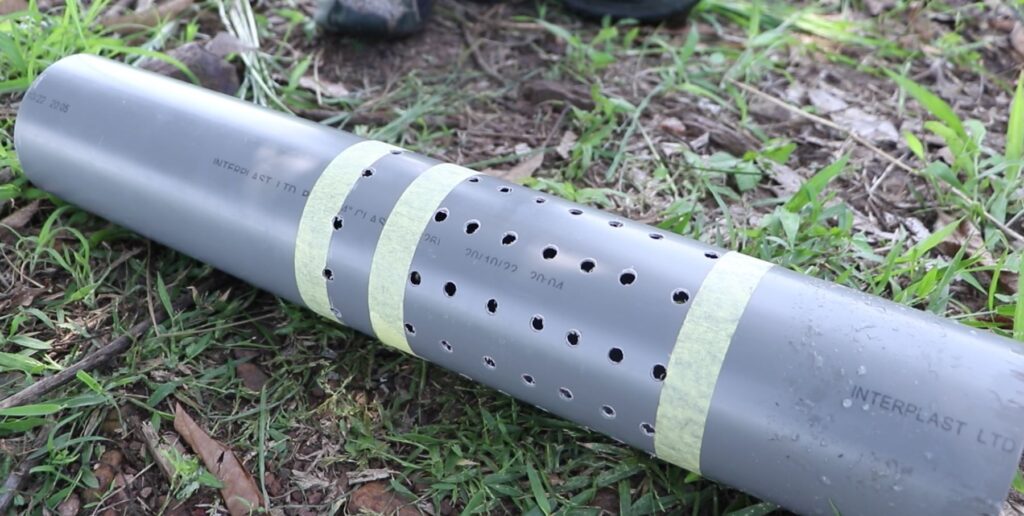
“When there is water in the PVC pipe it means that there’s no need for the farmer to inundate the farm with water, but when it is empty, he or she can irrigate it. We use that as a base for monitoring the water content in the rice farm.”
The project is mainly focused on irrigation farming that provides a more accessible avenue to measure, Dr Benefoh said, and thus rain-fed farming was not part of it for the time being.
The project is being implemented by the Ghana Irrigation Development Authority, in collaboration with the Environmental Protection Agency, the UNDP and the Switzerland Government.
Ghana is now seven years away from meeting the target of gathering 20,000 hectors of rice and as to whether this is attainable within this period, Dr Benefo said: “We are slow in starting and it’s also experimental so we’re going to learn in the first half, hence uptake would not be as high as expected.”
“…From next year onward, we will be able to get more farmers on board to augment the implementation process”.
Ghana has begun receiving payments for reducing carbon emissions in forest landscapes.
The World Bank’s Forest Carbon Partnership Facility paid the country 4,862,280 dollars for reducing 972,456 tonnes of carbon emissions for the first monitoring period under the programme (June to December 2019).
The methane project, therefore, feeds into the bigger picture of placing Ghana on a better platform to earn more carbon credit from reducing greenhouse gas emissions.
Source: GNA
Photos: UNDPGhana
